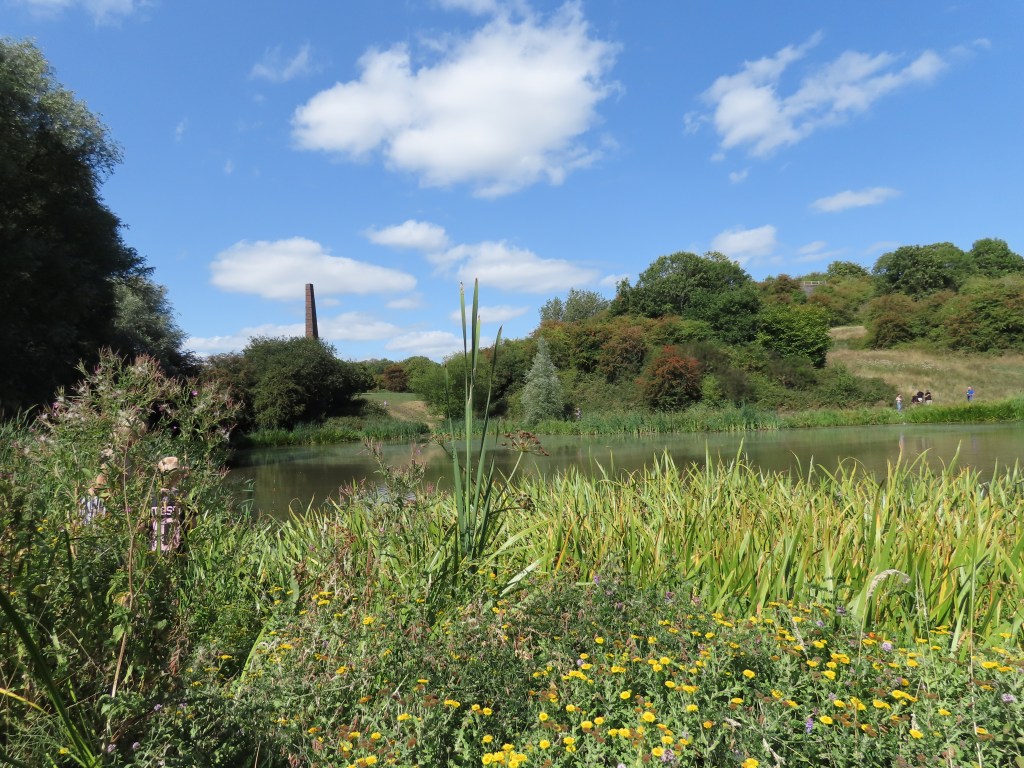
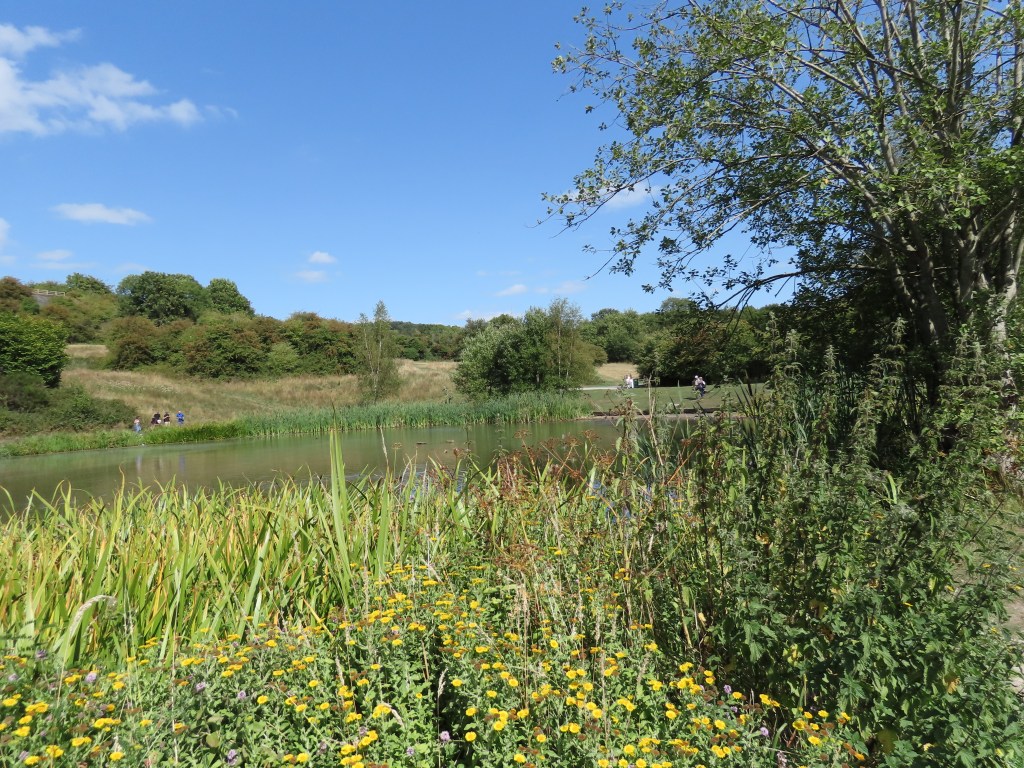
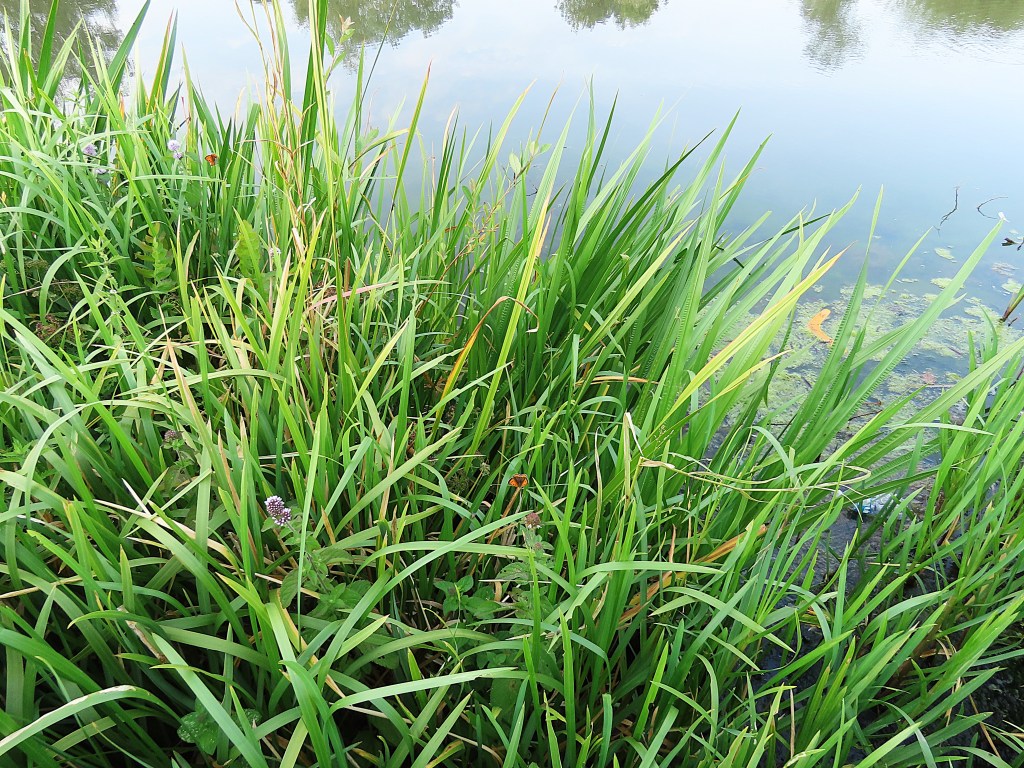
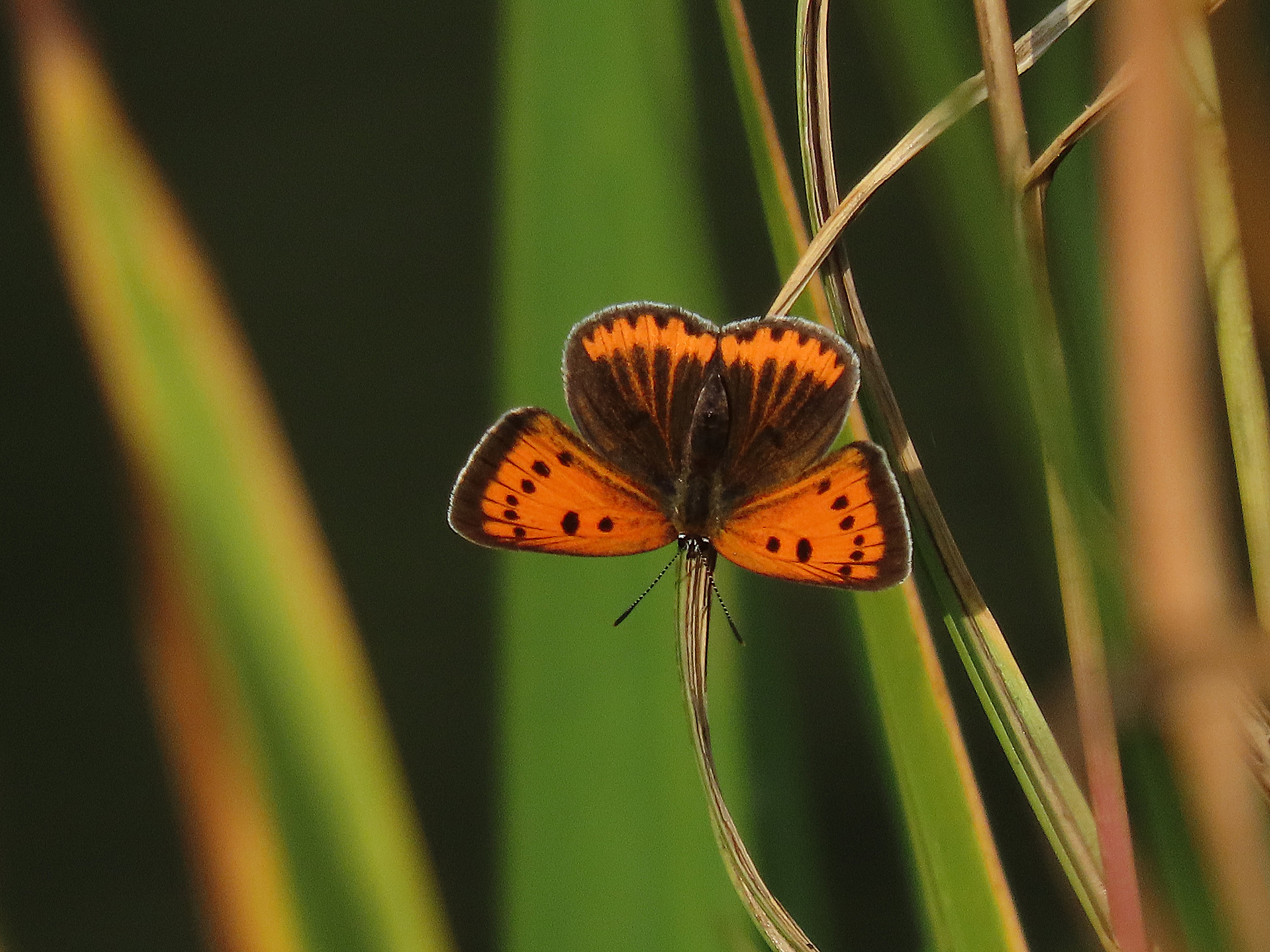
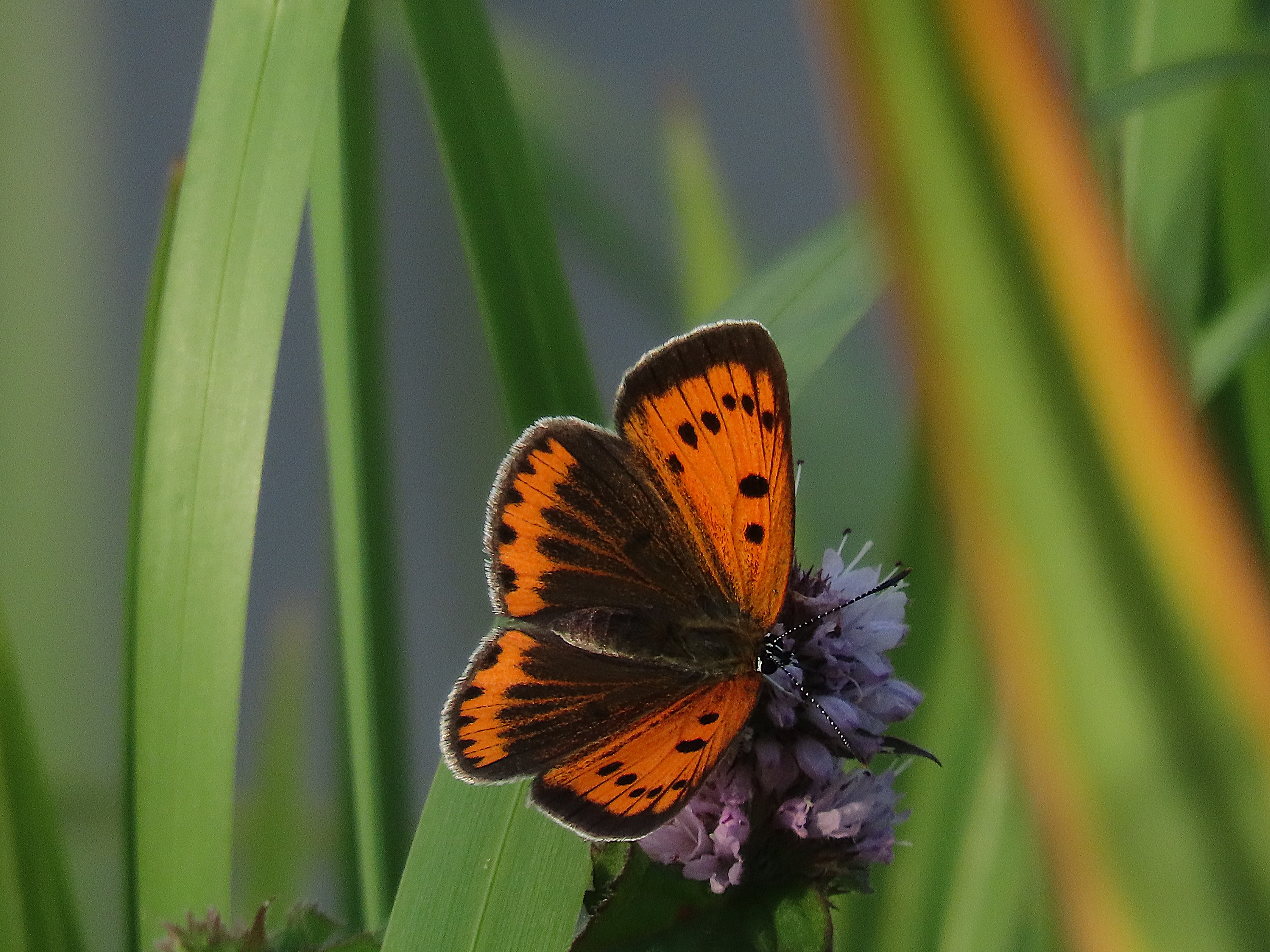
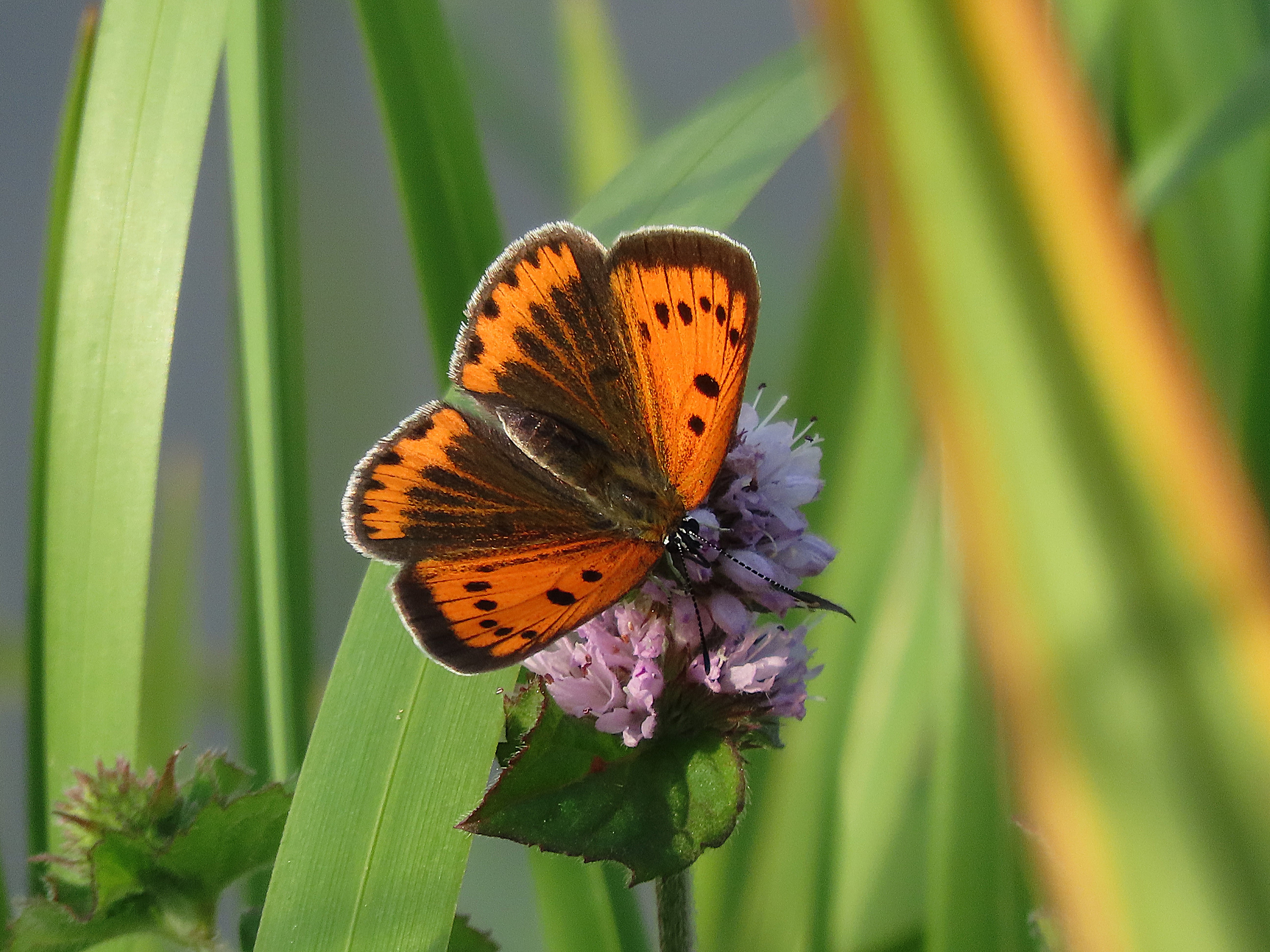
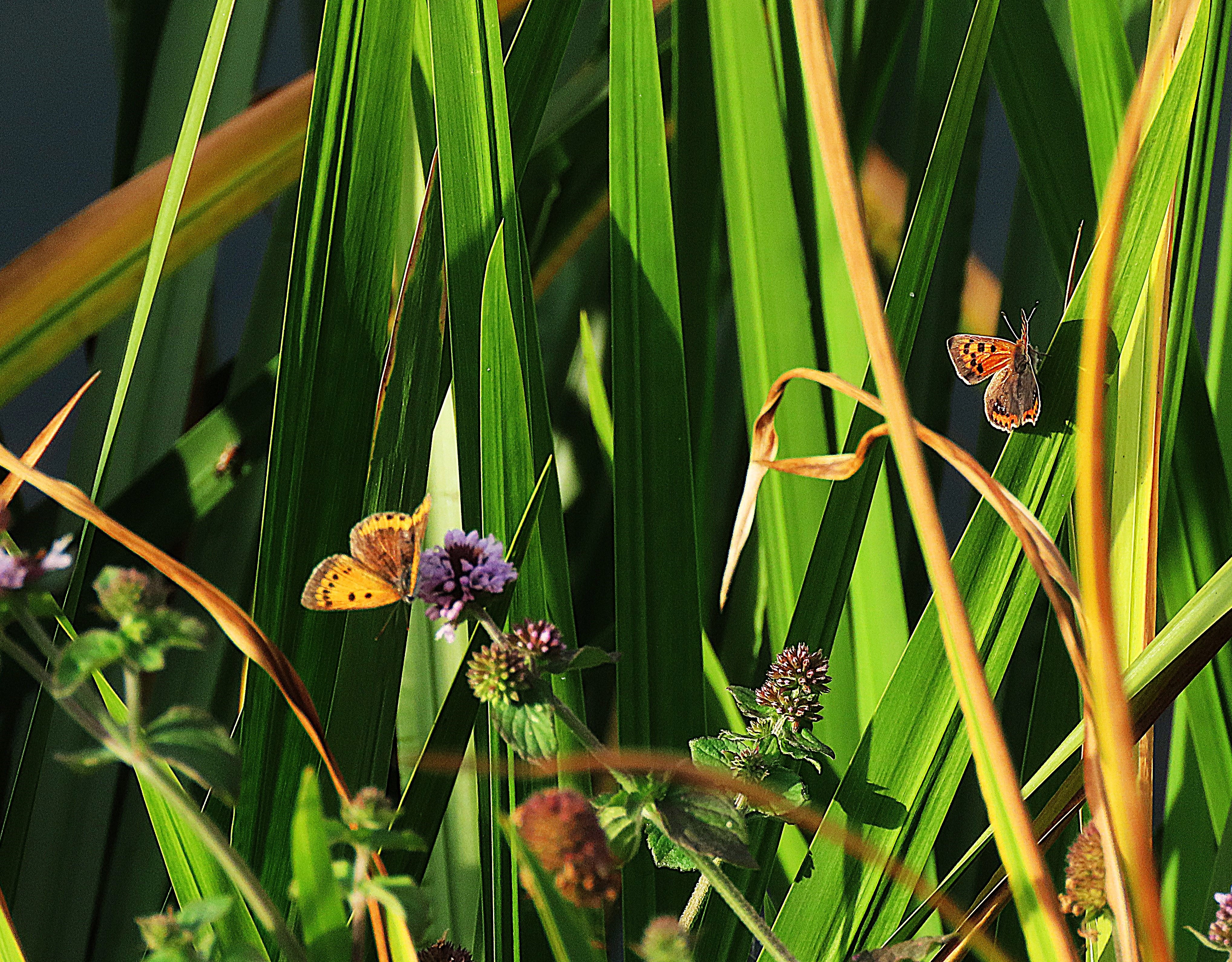
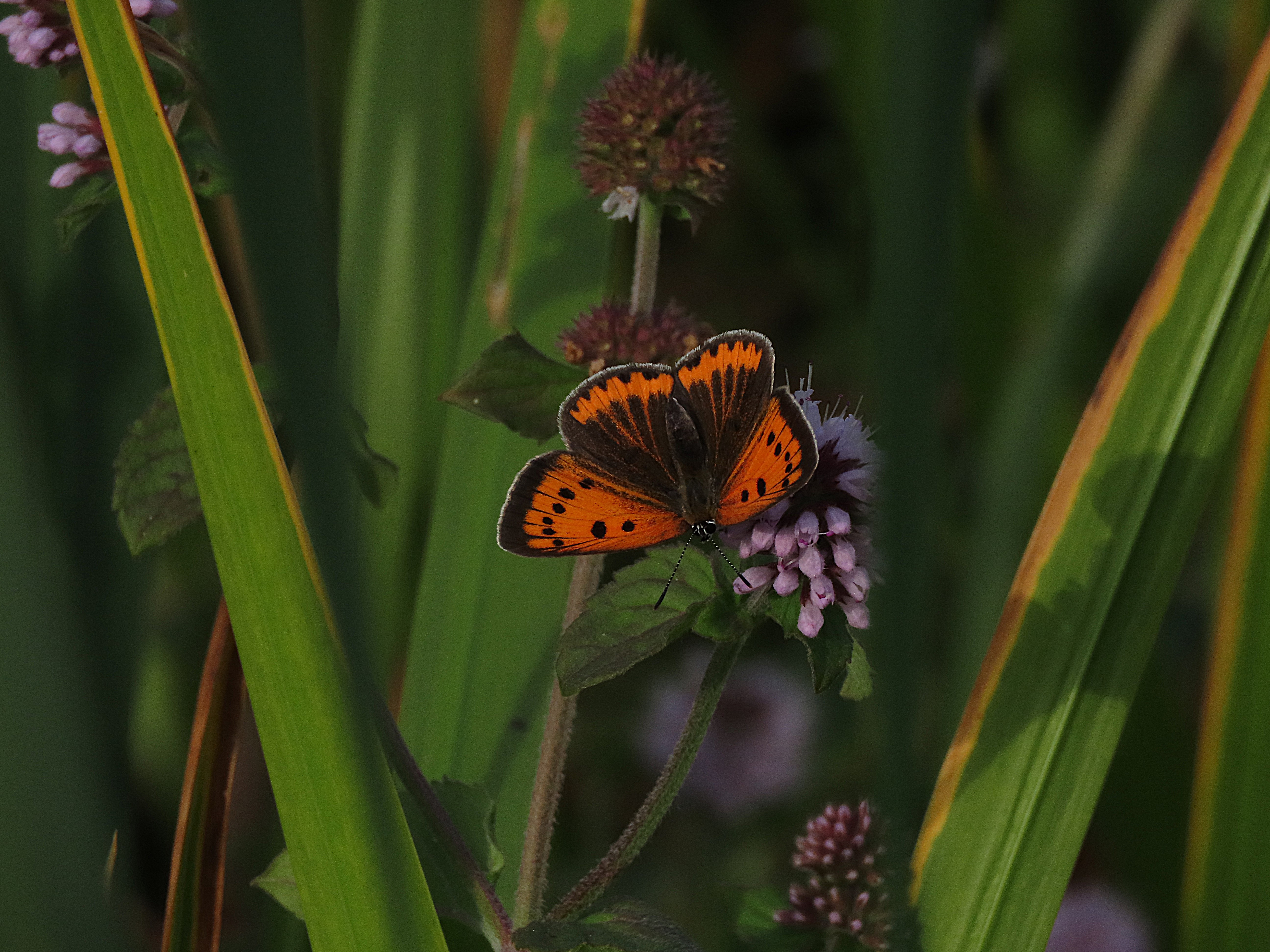
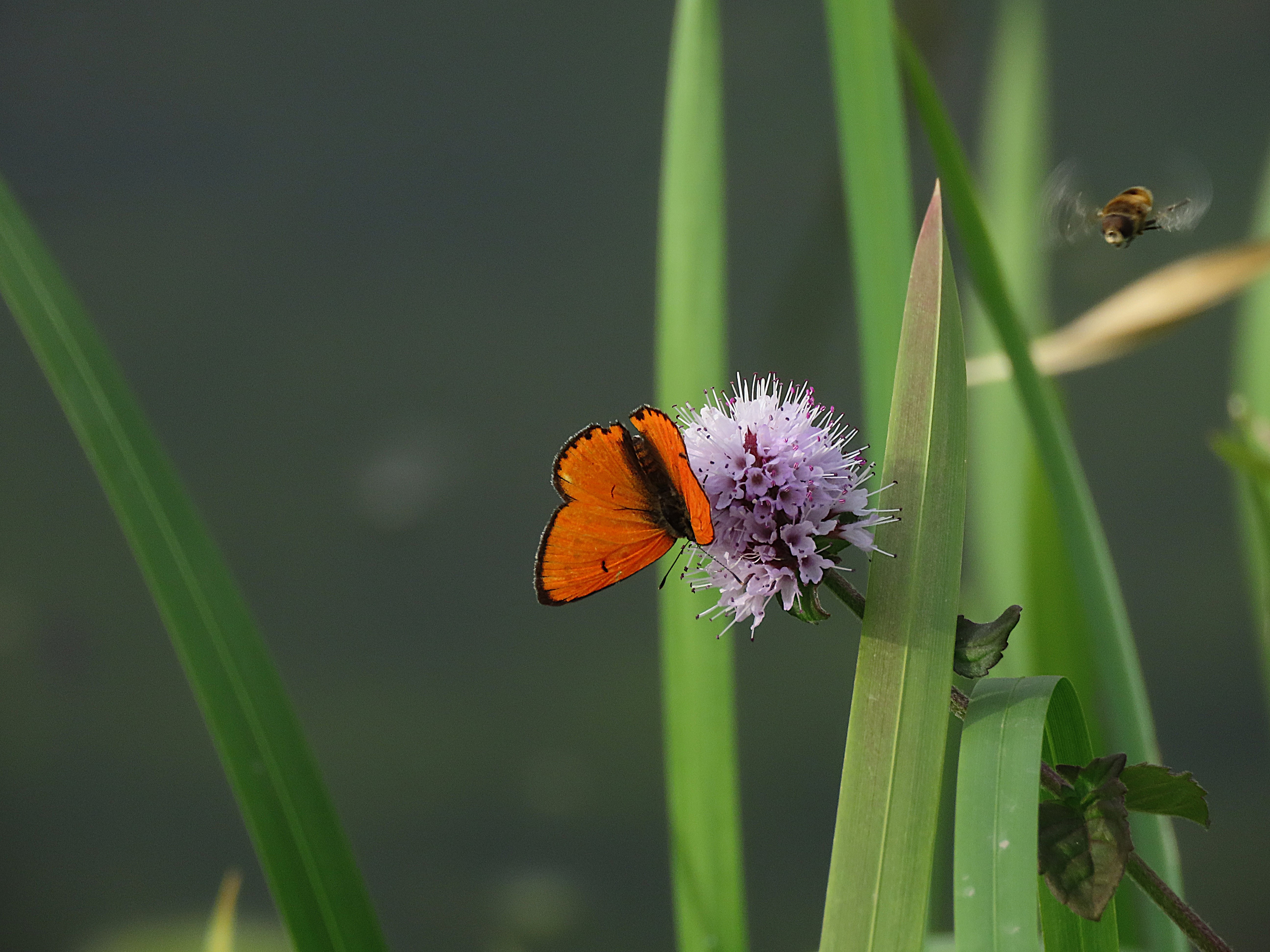
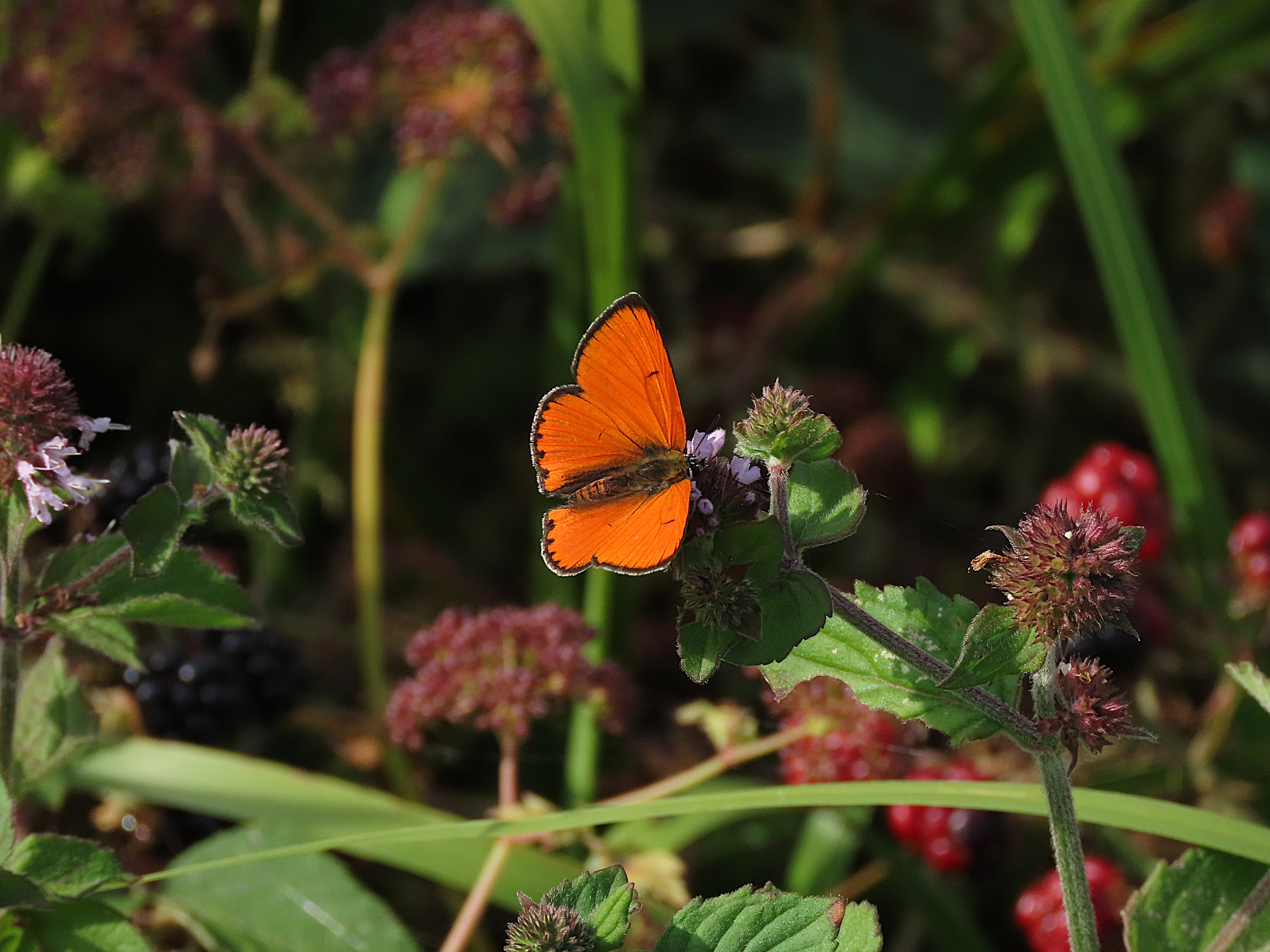
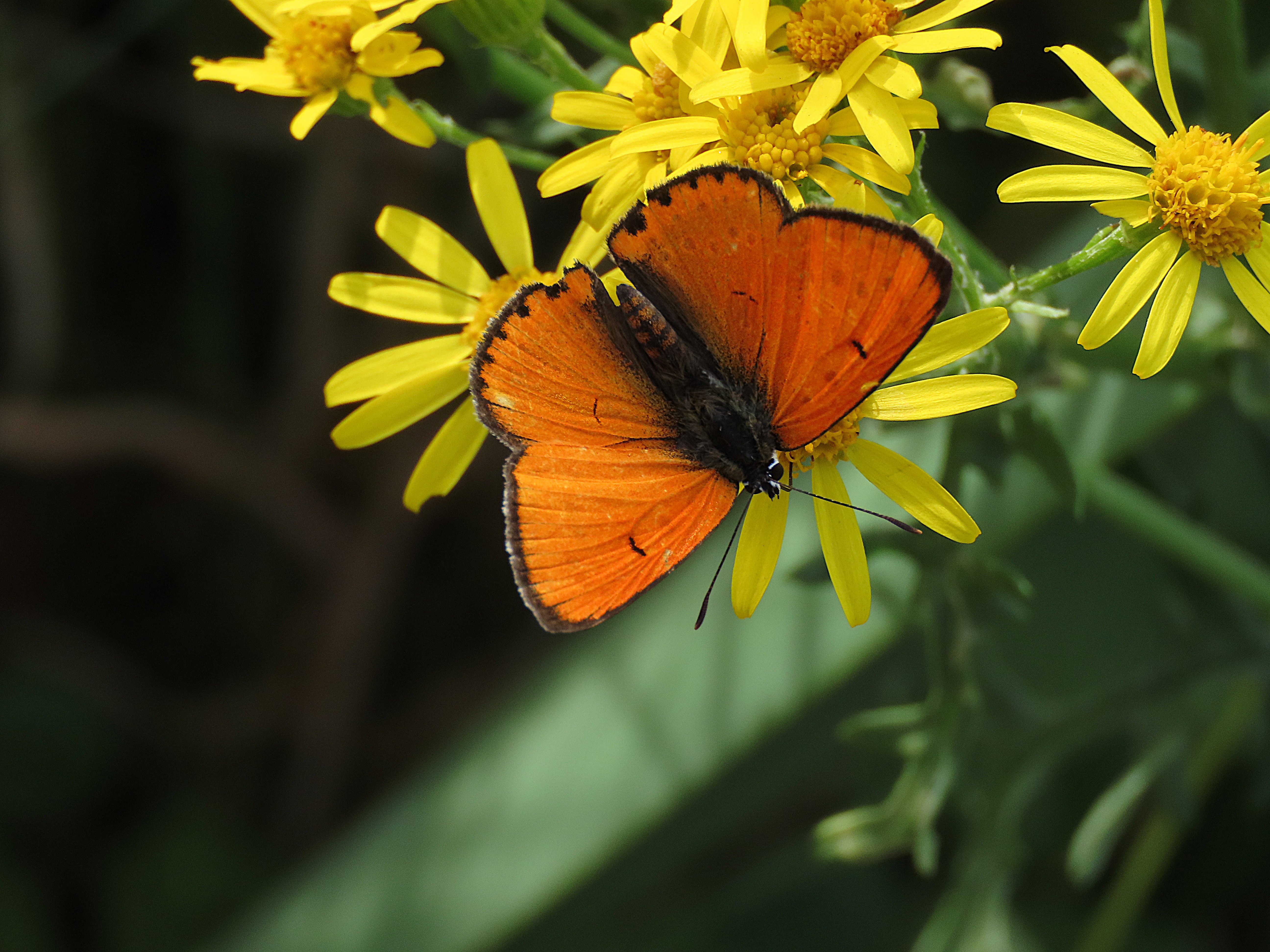
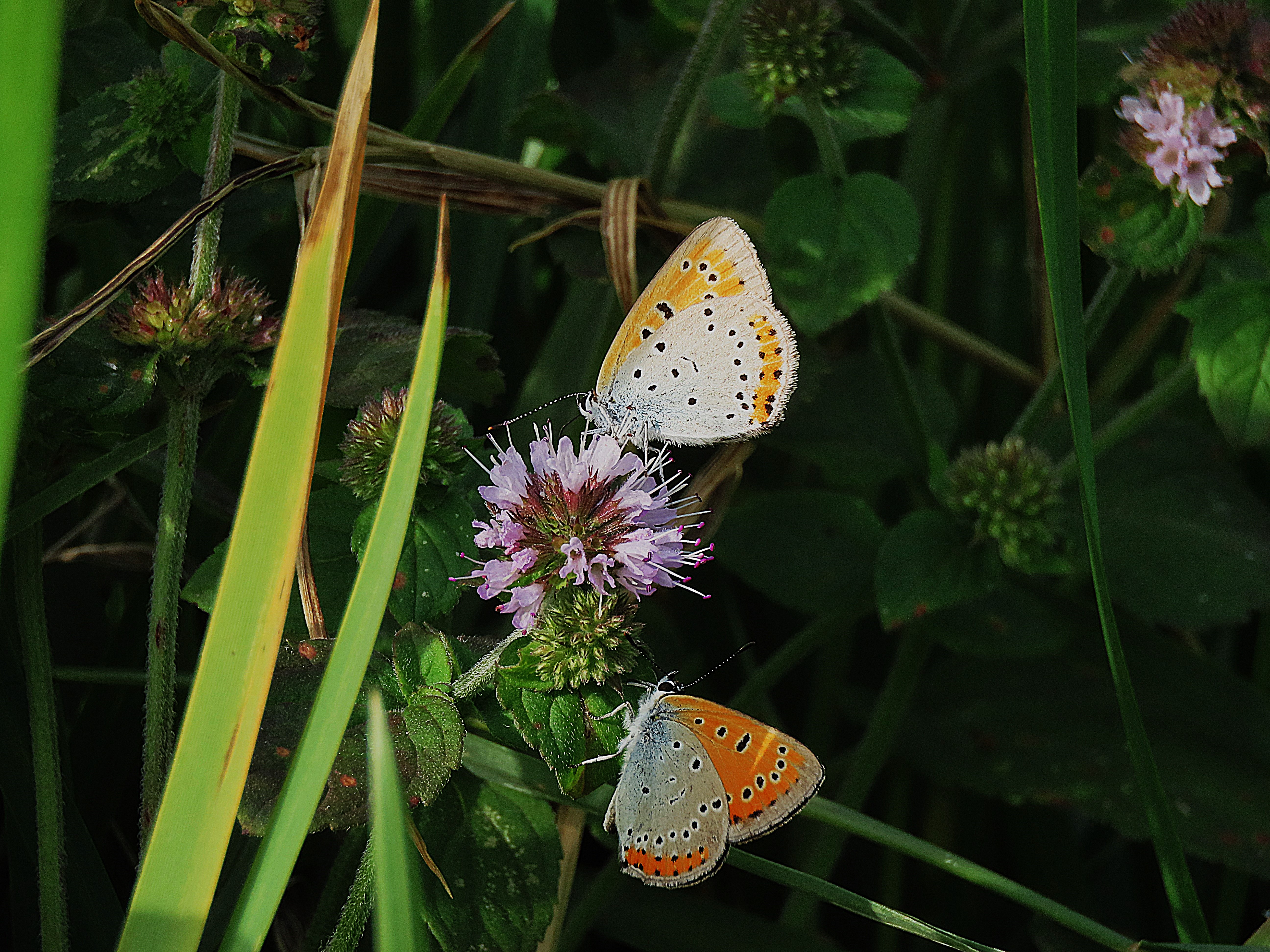

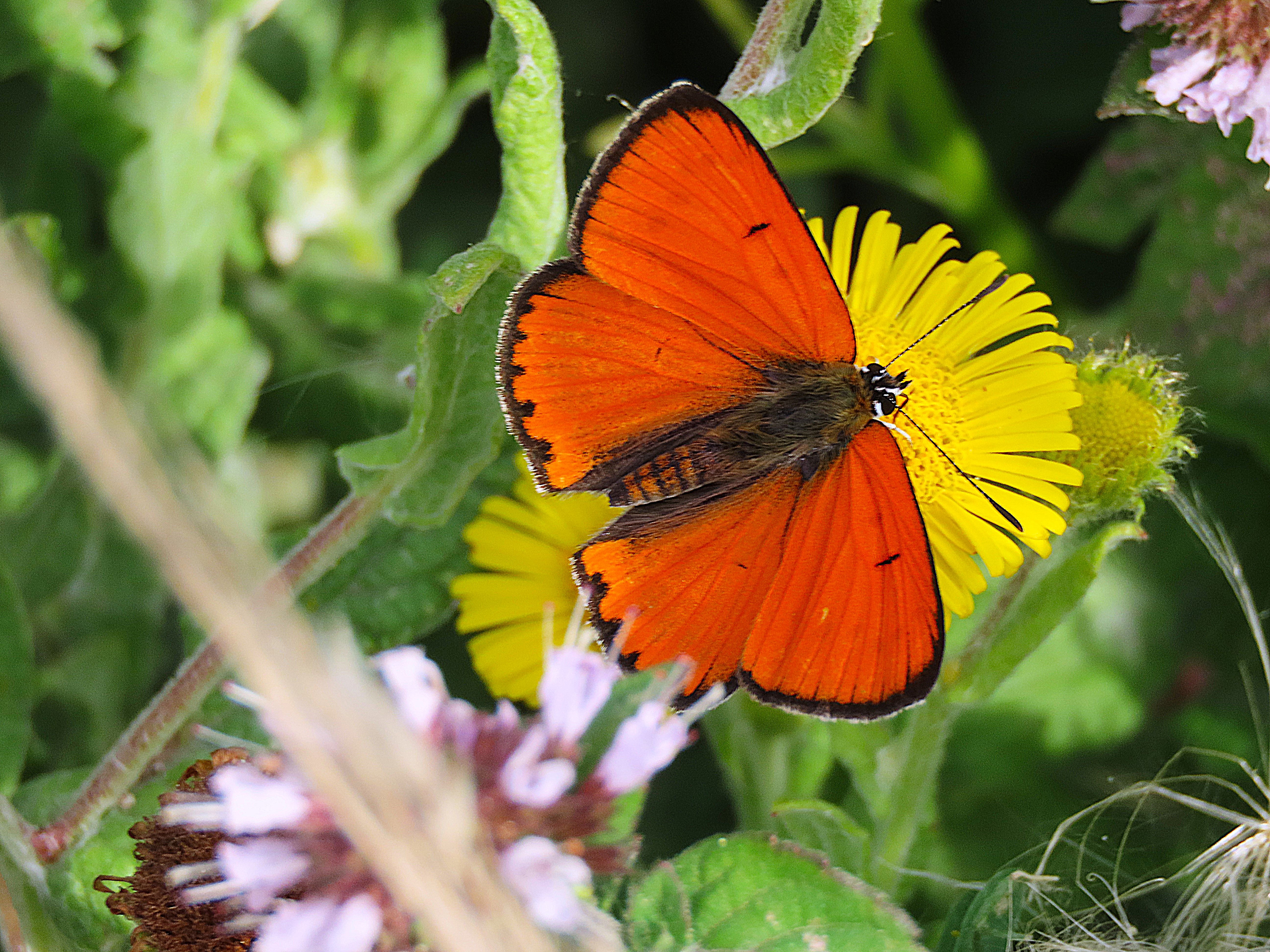

The Photographs taken in West Midland 2025 by Dave W
Large copper butterflies have recently been spotted at Bumble Hole Nature Reserve in Dudley and the adjoining Warrens Hall Nature Reserve in Rowley Regis in the West Midlands. These rare butterflies, which went extinct in Britain in the 1850s, are believed to be the result of a deliberate but illegal release of captive-bred European subspecies. While the appearance has caused excitement, conservationists caution that the butterflies are unlikely to survive long-term in the area.
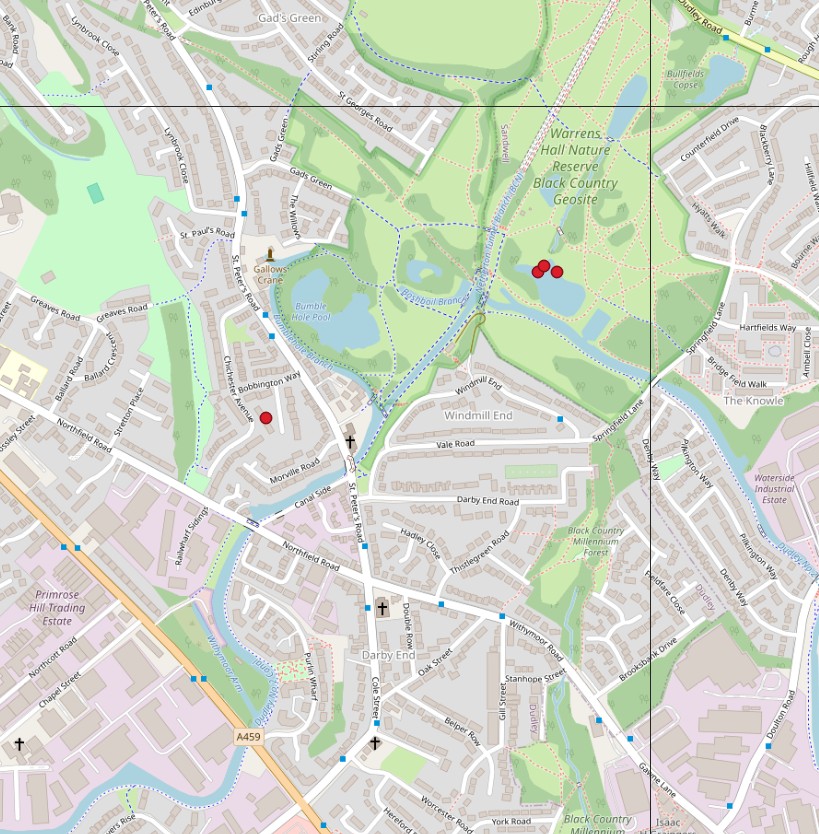
Where they were spotted
- Bumble Hole Nature Reserve: in Dudley
- Warrens Hall Nature Reserve: in Rowley Regis
What is known
- The Large Copper (Lycaena dispar) is extinct in Britain, having vanished due to fenland habitat destruction.
- The butterflies seen in the West Midlands are thought to be the European subspecies, which is still available from breeders.
- Their appearance is being treated as a “detective story” as experts investigate their origins.
- Despite the excitement, experts are not optimistic about the butterflies’ long-term survival in the Black Country.
Why it’s a concern
- Illegal release:
The release of any species into the wild without proper authorization is illegal and can have negative consequences.
- Ecological impact:
These releases can undermine conservation science and are generally unsuccessful.
- Unsuitable habitat:
The Black Country does not have the necessary fenland habitat for a sustainable population.
large copper butterfly in west midland Uk
As of August 2025, the large copper butterfly (
Lycaena dispar) is not native to the West Midlands or the UK, but several were recently sighted in the region. The British subspecies went extinct in the 1850s due to the draining of its wetland habitats. The recent appearance is a result of an unofficial and likely illegal release of a continental European subspecies.
The recent Black Country sightings
- In August 2025, multiple large copper butterflies were spotted at
Bumble Hole Local Nature Reserve
in Dudley and the adjoining
in Rowley Regis.
- The sightings caused a stir among wildlife enthusiasts, with many flocking to the reserves to catch a glimpse of the “stunning” butterflies.
- Experts believe the butterflies are the European subspecies (L. dispar rutilus), which can be legally bred in captivity but not released into the wild without a license.
The fate of the released butterflies
Conservationists do not expect this population to survive long-term for several reasons:
- Limited habitat: The reserves are too small to support a sustainable population of large coppers, which require vast areas of fenland.
- Insufficient food source: While their host plant, great water dock, is present, there is not enough to sustain the population.
- Unsuitable climate: Experts believe the UK’s winters are too harsh for the introduced subspecies to survive.
- Impact on the ecosystem: Unofficial releases can harm native species and potentially jeopardize carefully planned, legal conservation efforts.
The wider context of large copper conservation
- Extinction: The native British large copper became extinct in 1851, following the extensive draining of the fenlands in East Anglia.
- Previous reintroduction failures: Official reintroduction efforts using a Dutch subspecies (L. dispar batavus) have been attempted but were ultimately unsuccessful.
- Current efforts: Current reintroduction research focuses on creating large-scale wetland habitats to support a sustainable population. Organisations like the West Midlands branch of Butterfly Conservation stress the need for planned, science-led reintroductions.
2025 release at Bumblehole
 West Midlands Butterflies Blog