- National Status: Mainly confined to western England and Wales, range contracting. Widespread and common in Scotland.Population trend 10 years +3%; since 1976 -58%.
- West Midlands Status: Limited number of colonies with highest numbers in Shropshire, overall range contracting.
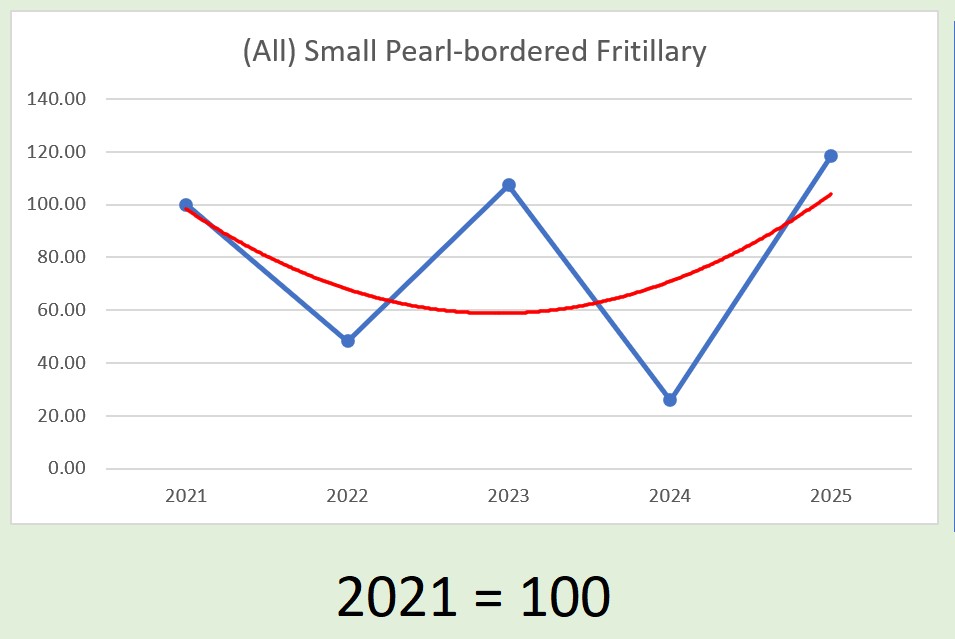
- Population trend 10 years – increasing although decline since 2011.
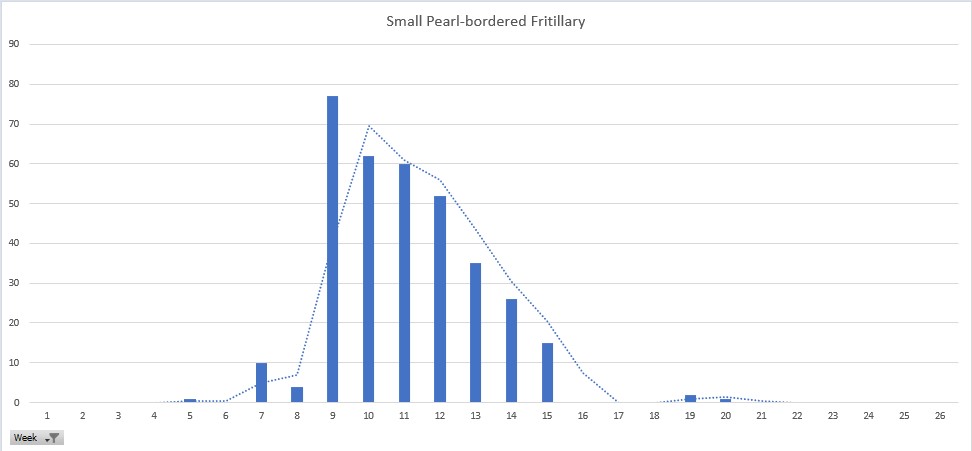
- Hotspots: Wyre Forest, Cannock Chase in Staffordshire and South Shropshire Hills. Llanymynech, Cannock Chase, Wyre Forest.Habitat: Found in a variety of habitats: coppice and ride-edges in ancient woodlands in Wyre; bracken and grass mosaics; and wet meadows and moorlands.Flight Period: Late May to mid-July. Occasionally a second generation in early August, regularly in southern England, but none since 1995 in the West Midlands.
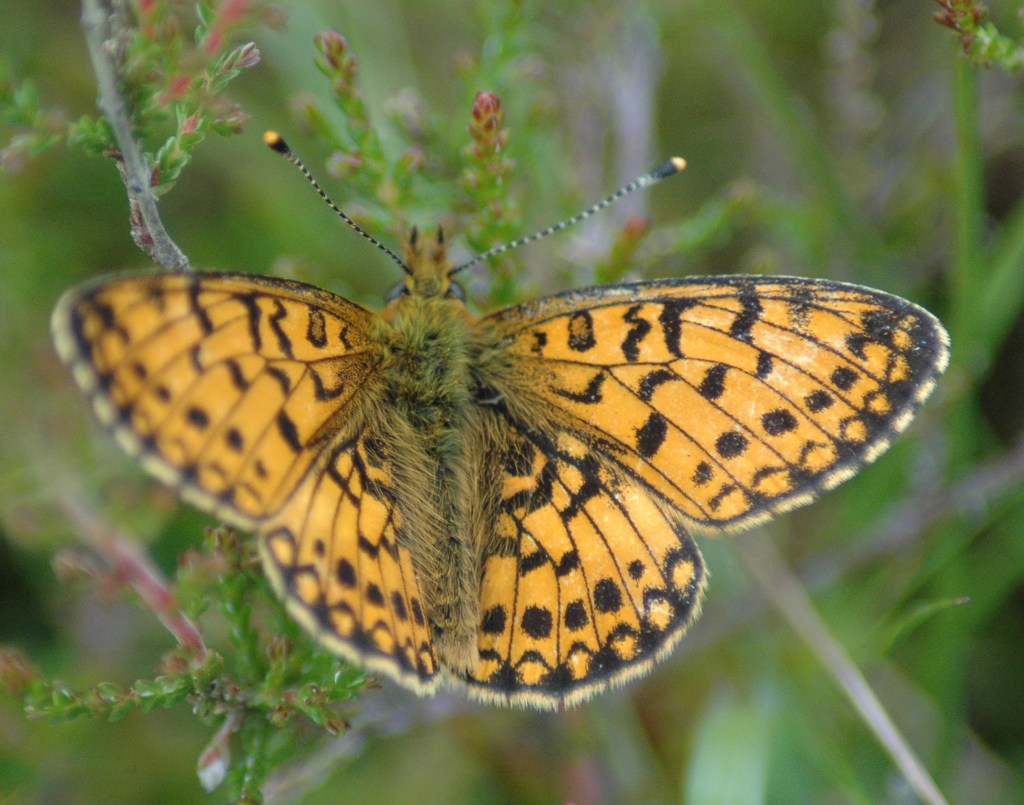
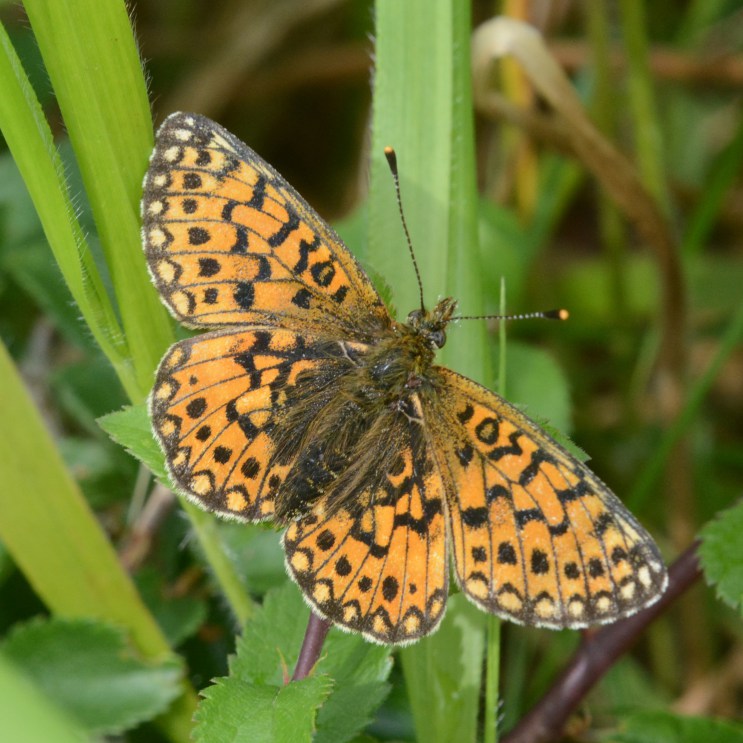
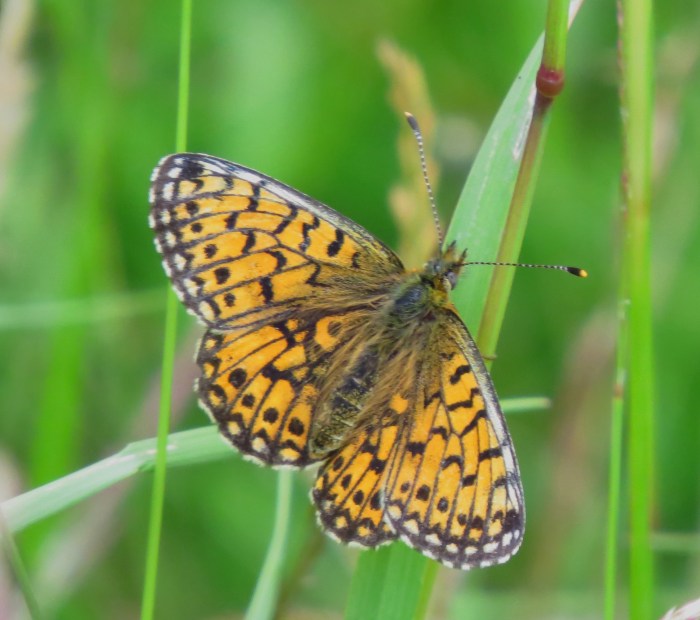
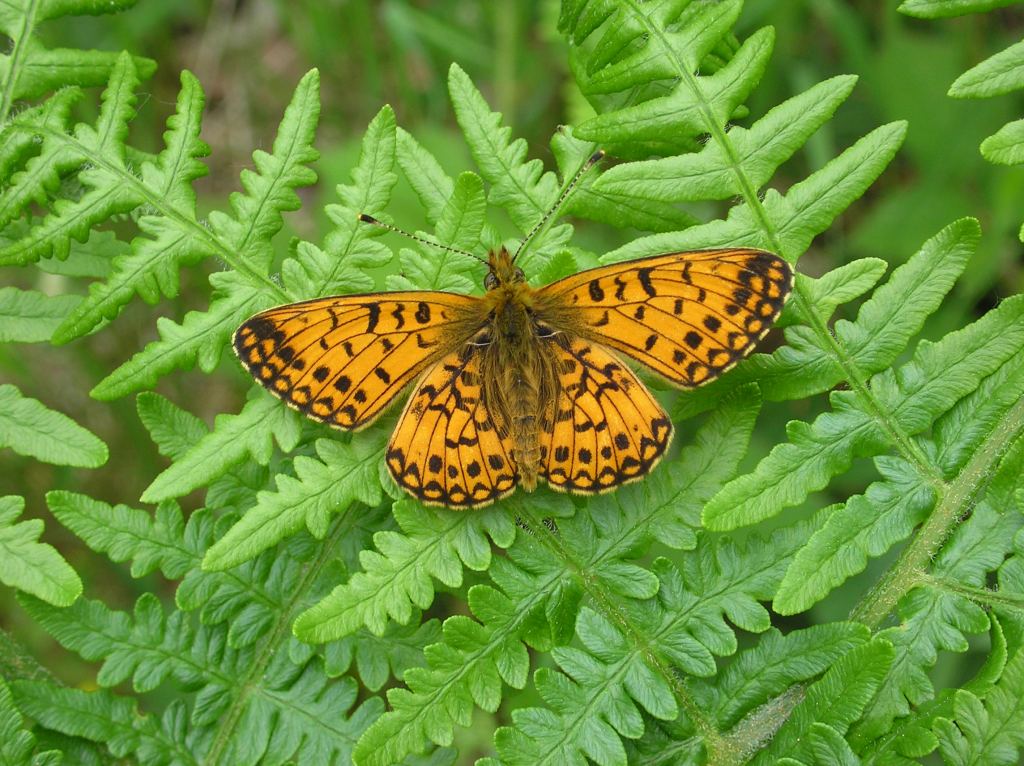
- Wingspan Male 35–41 mm, female 38–44 mm


Caterpillar Food Plant:The main foodplants are Common Dog-violet (Viola riviniana) and Marsh Violet (Viola palustris).
Life Cycle
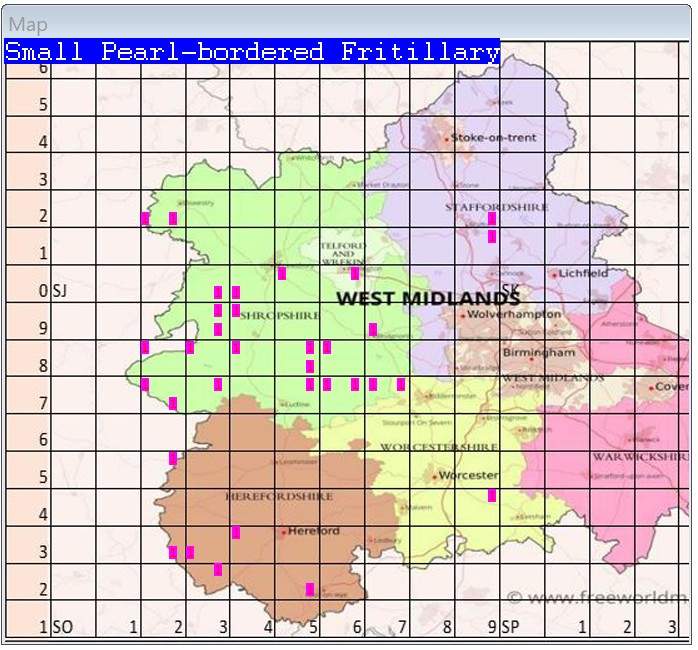

- The Charts show the distribution over the last 5 years – present on a few known sites 2020 to 2025
- The Population Trend from Transect Records – 2021 to 2025 showing considerable decline
- Phenology from Trabsect Records
Timed Counts in Wyre Forest:
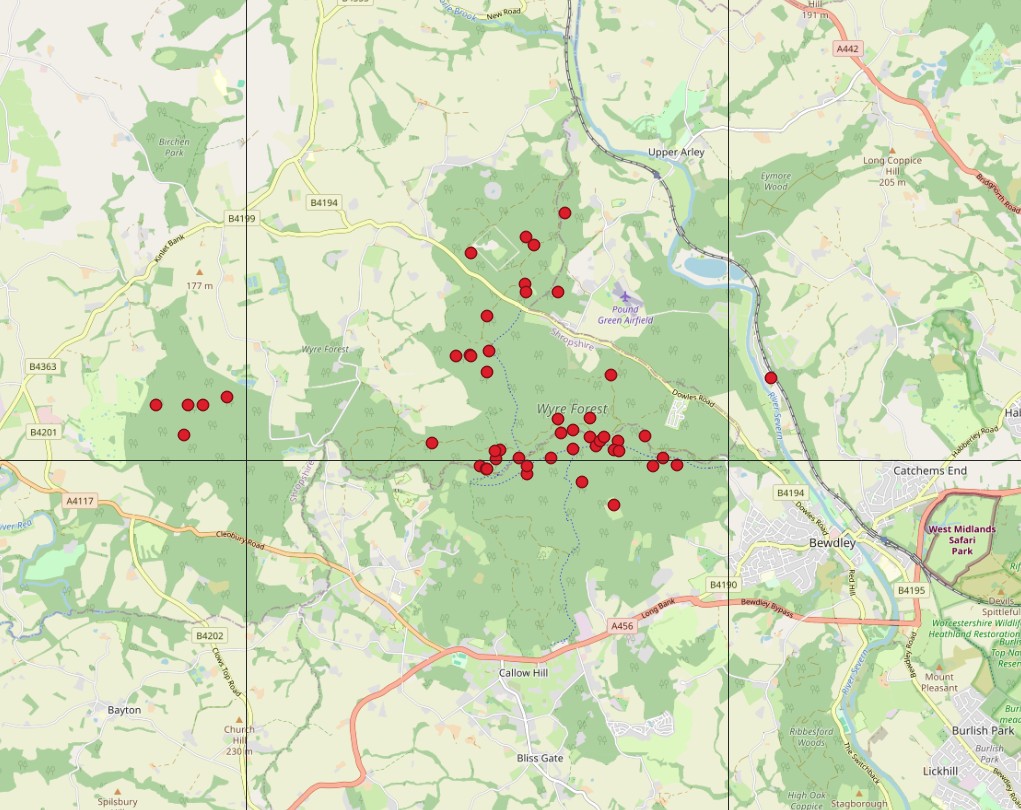
Detailed Google Mapping of Sites
Detailed Sites Google Mapping 2018
Detailed Sites Google Mapping 2019
Detailed Site Google Mapping 2020
Detailed Site Mapping on Google 2021
Detailed Site Mapping on Google 2022
Detailed Site Mapping on Google 2023
Detailed Site Mapping on Google 2024

 West Midlands Butterflies Blog