- National Status: Scattered locations in Scotland, England and Wales, range contracting in England and Wales. Population trend 10 years +45%; since 1976 -71%.
- West Midlands Status: Isolated colonies, range contracting. Population trend 10 years – increasing.
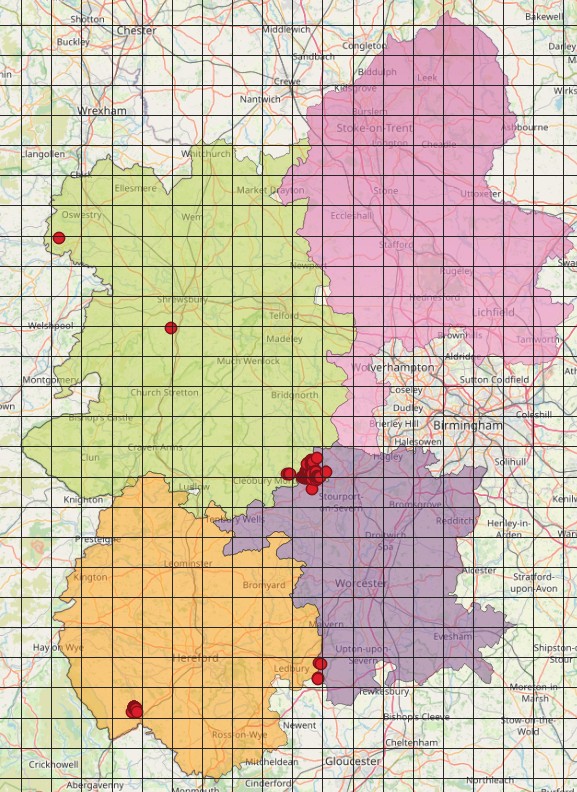
- Hotspots: Stronghold is the Wyre Forest. Sites: Llanymynech, Ewyas Harold, Haugh Wood, Coppett Hill, Wyre Forest.
- Habitat: Associated with edges, rides or open spaces within woodlands but it can also occur on rough hillsides where there are mosaics of Bracken (Pteridium aquilinum), grass and scrub.
- Flight Period: Late April to mid-June.
- Wingspan 38–47 mm.


Caterpillar Food Plant: The primary larval foodplant is Common Dog-violet (Viola riviniana). Heath Dog-violet (Viola canina) and Marsh Violet (Viola palustris) are also used.
Life Cycle
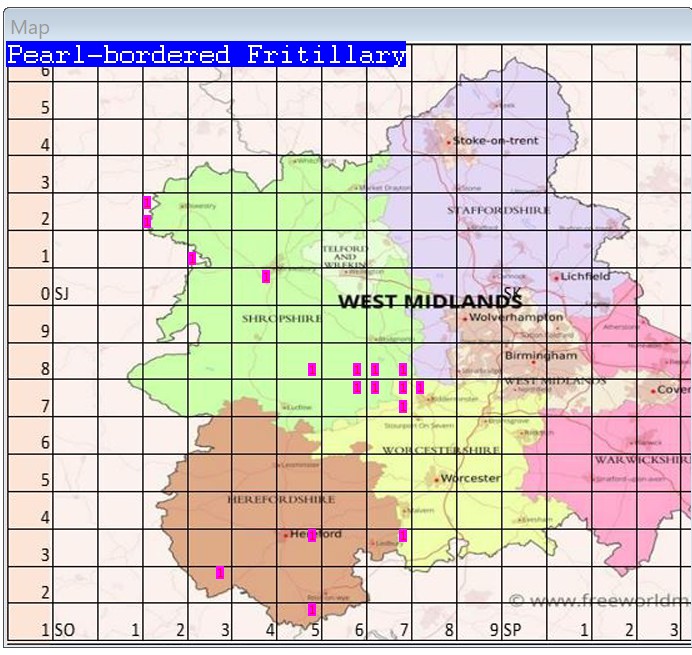
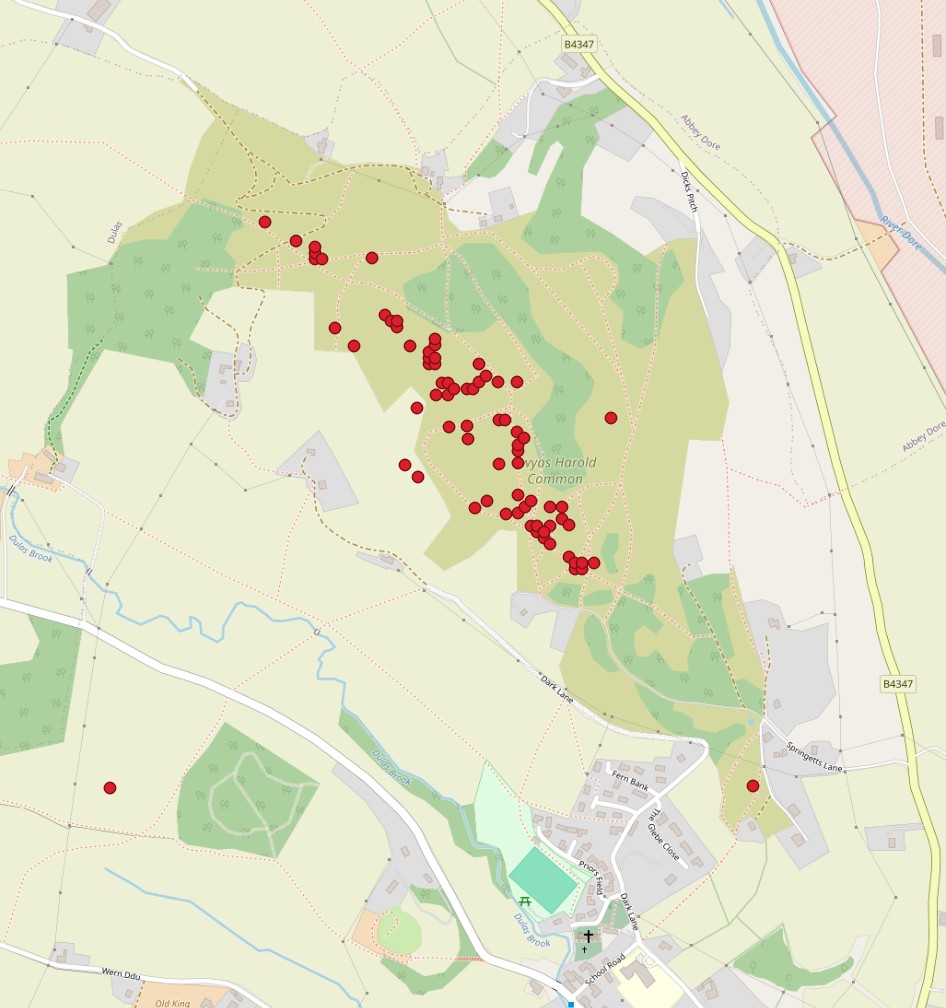
Raw Data Sites and Counts 2020
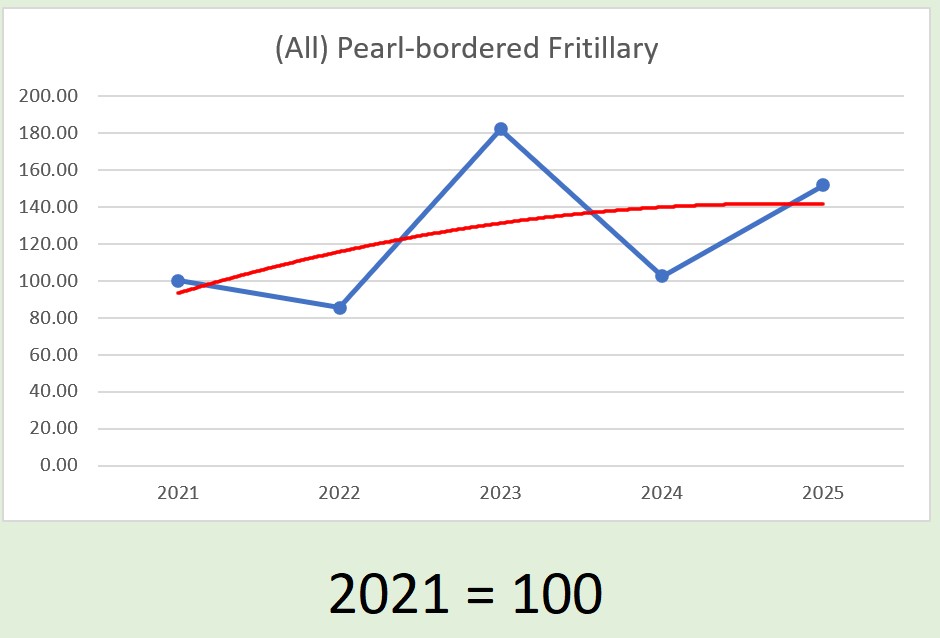
- The Charts show the distribution over the last 5 years population in a few known sites 2020 to 2025
- The Population Trend from Transect Records shows significant decrease however time counts show better results.
- Phenology from Transect Records
- Detailed Mapping and Sites 2017
- Detailed Mapping and Sites 2018
- Detailed Mapping and Sites 2019
- Detailed Mapping and Sites 2020
- Detailed Mapping of Sites 2021
- Detailed Mapping and Sites 2022
- Detailed Mapping of Sites 2023
- Detailed Mapping of Sites 2024
- Detailed Mapping of Sites 2025
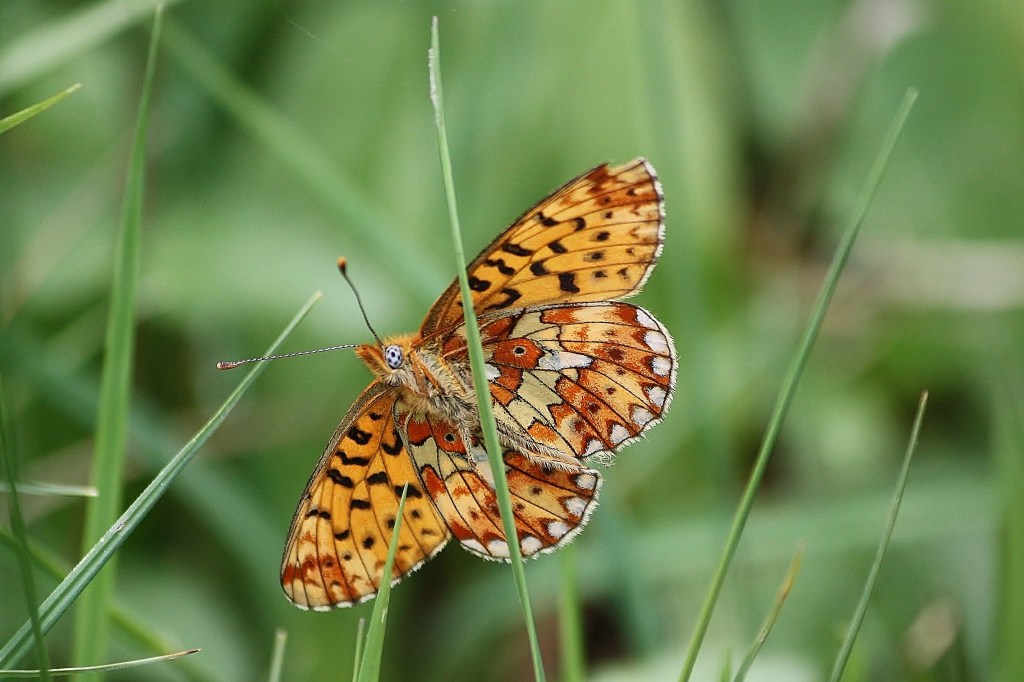
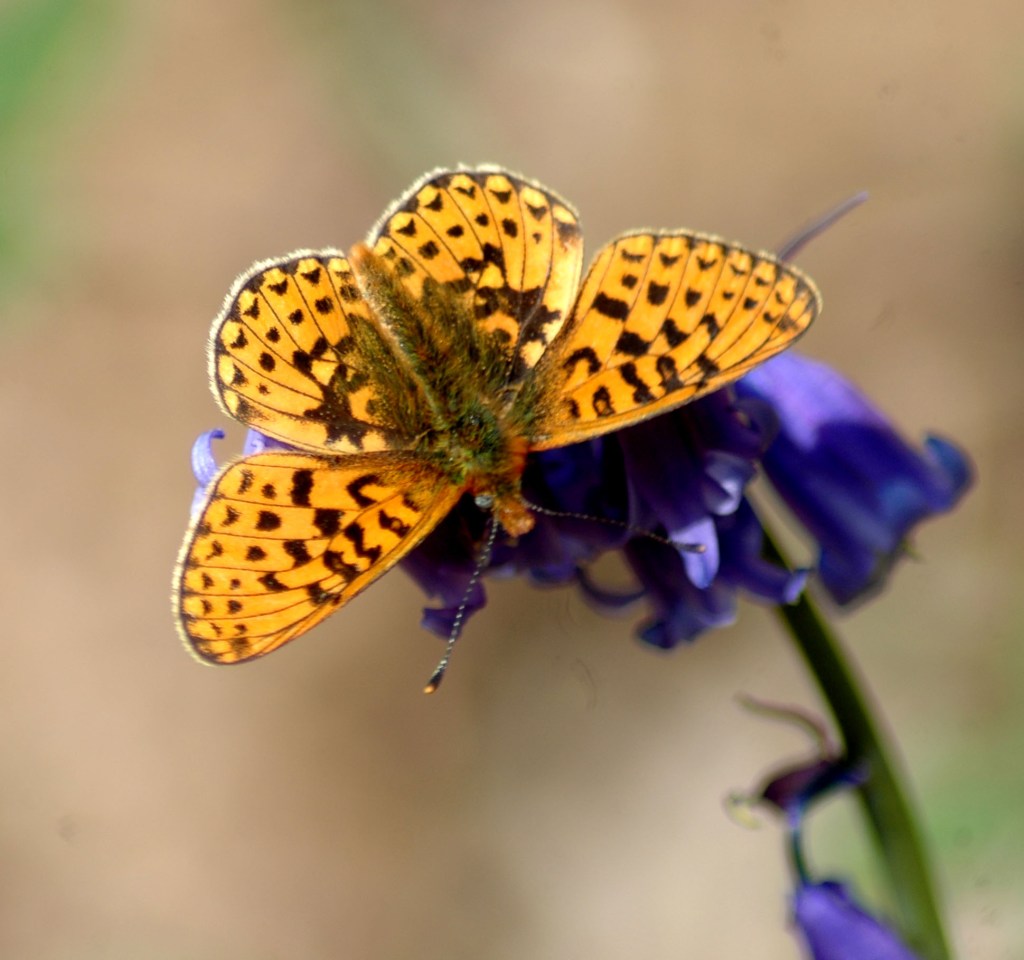
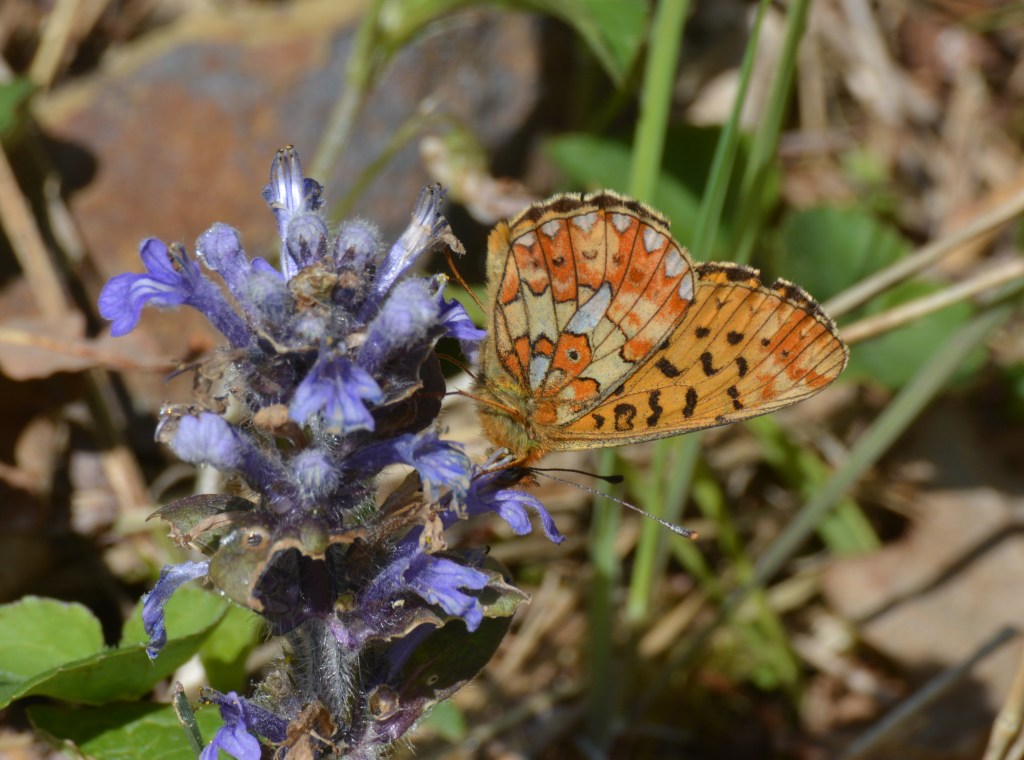
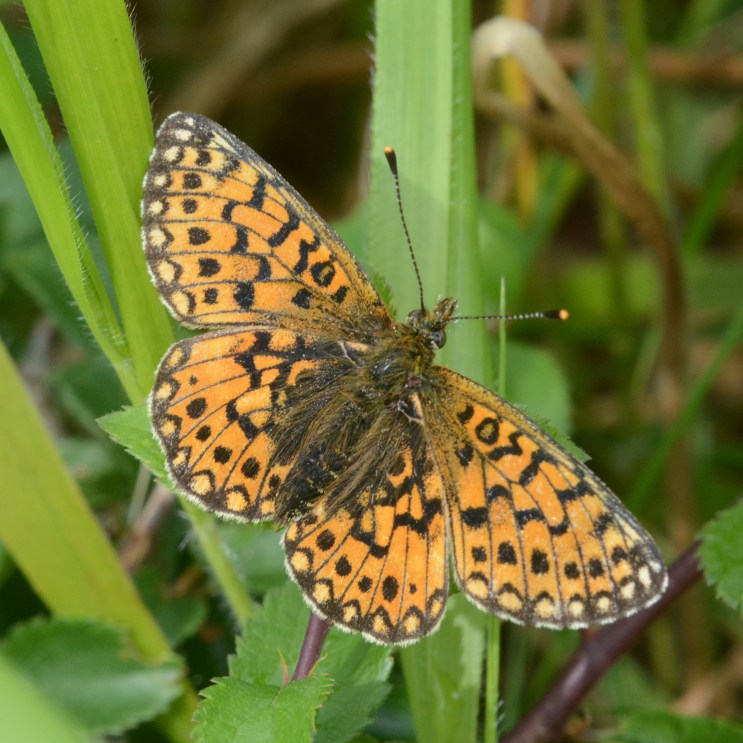
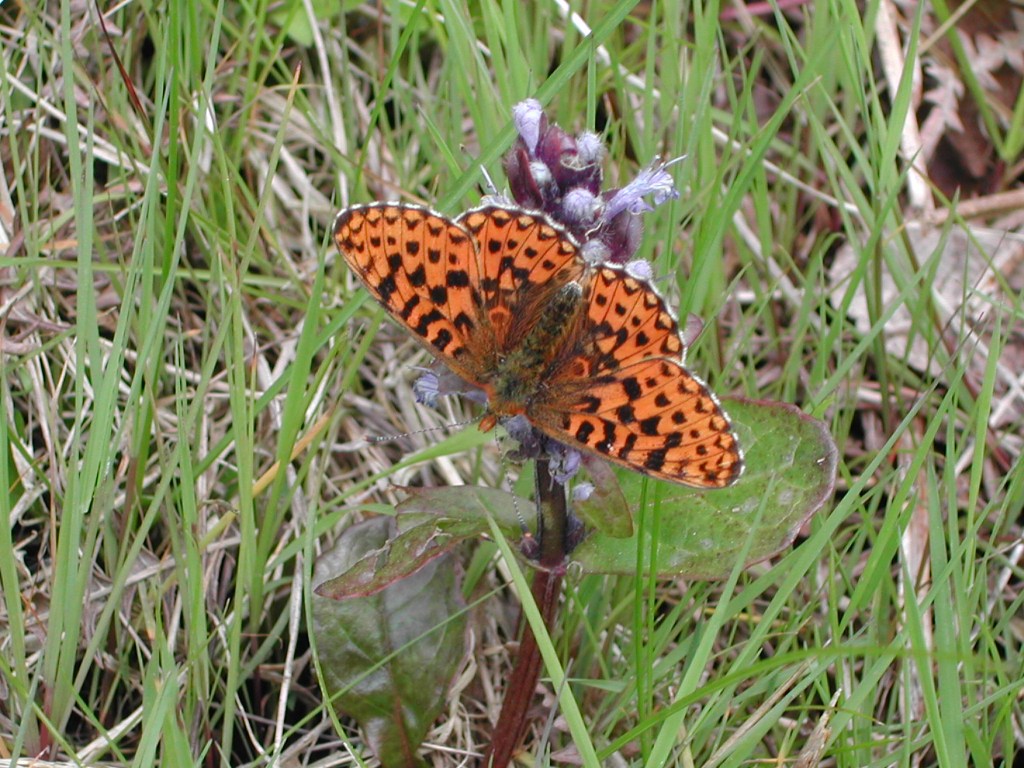
As this is one of our most endangered species a number of studies were carries out in 2022.
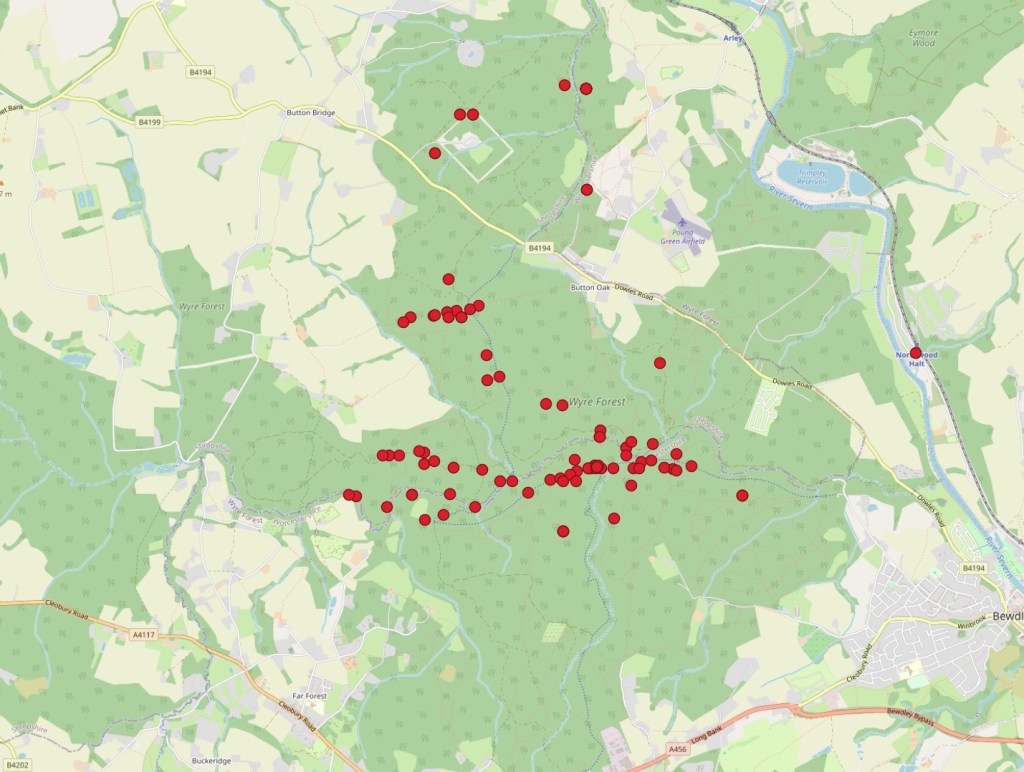
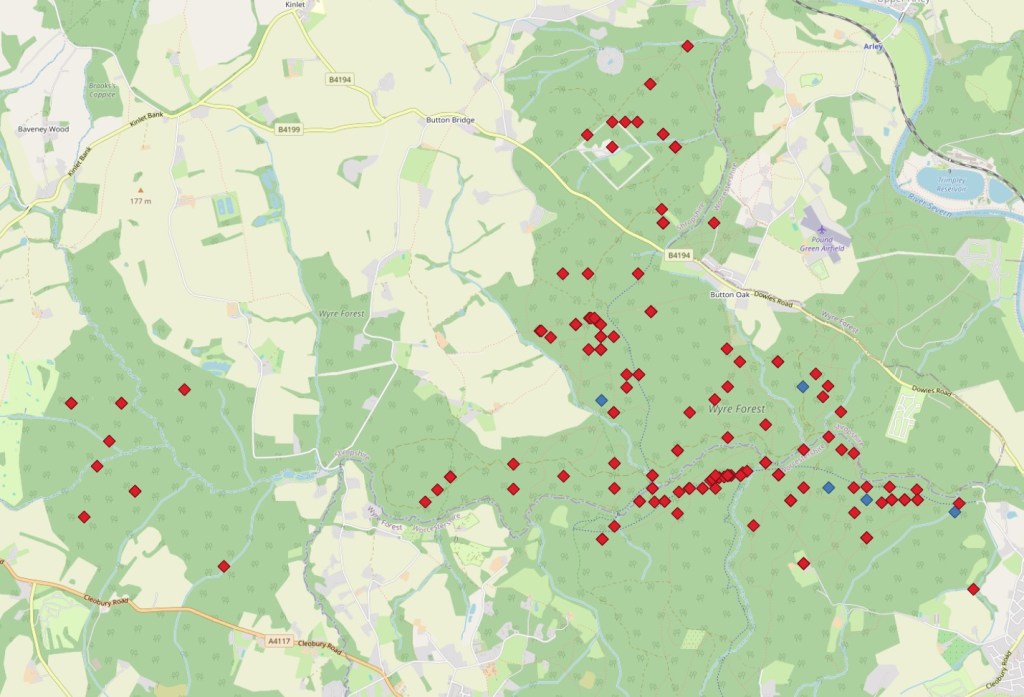
Wyre Forest:
Timed Counts;
There is a project to reintroduce Pearl-bordered Fritillary to the Malvern Hills organised be Mel Mason end others
 West Midlands Butterflies Blog