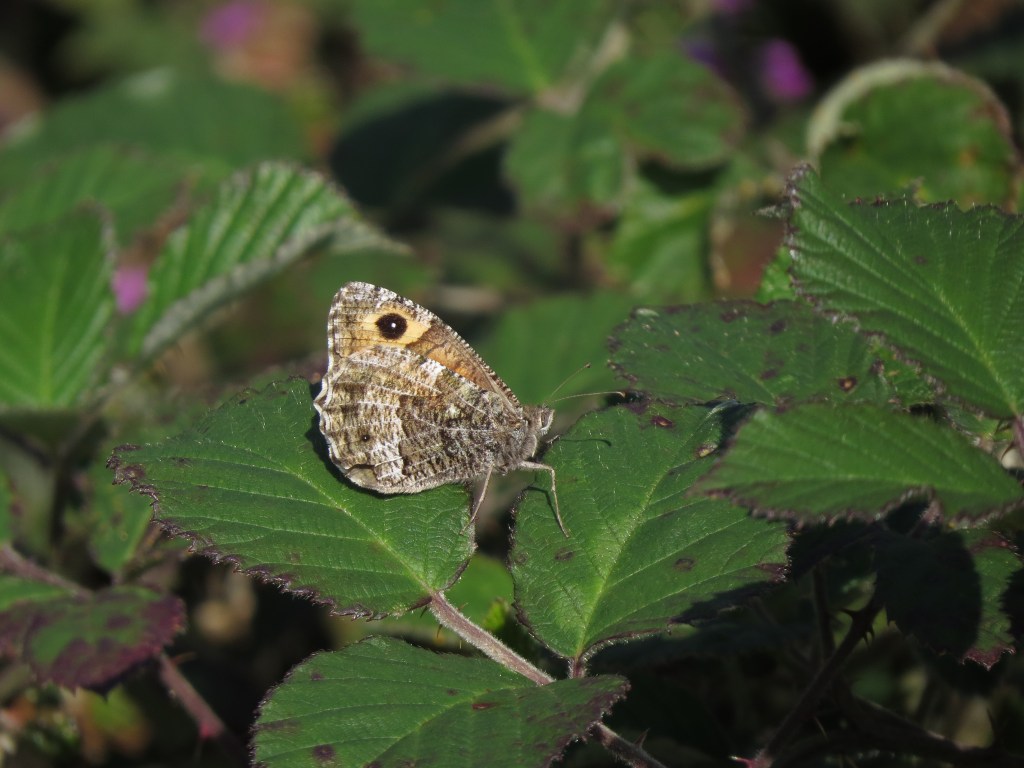
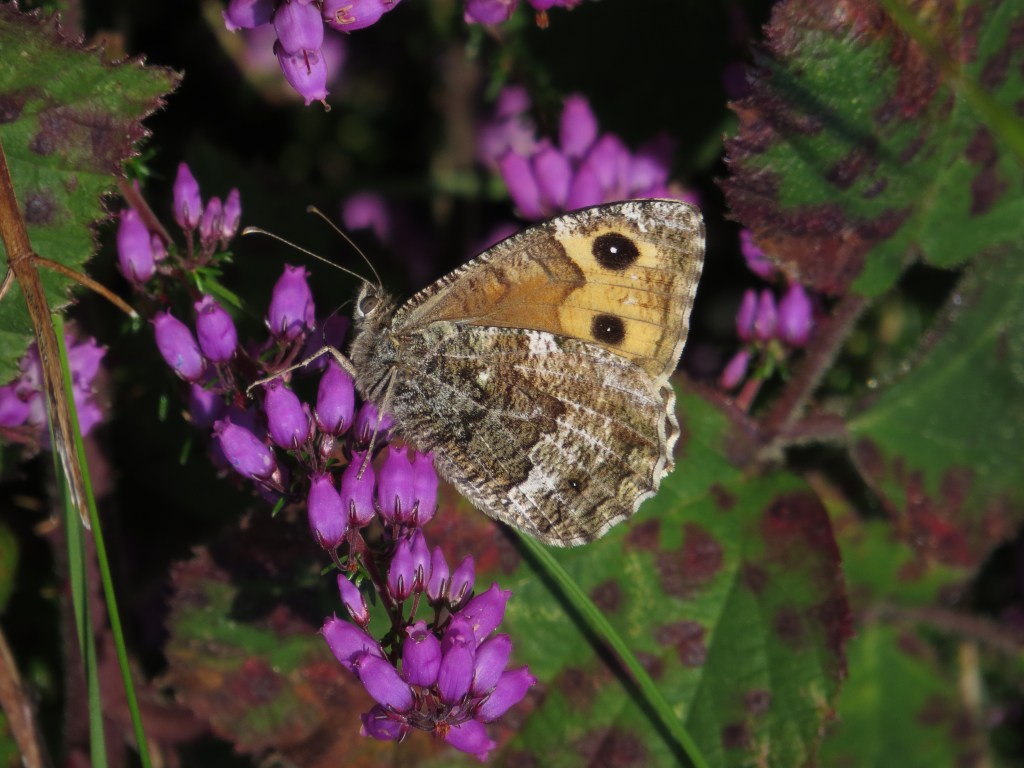
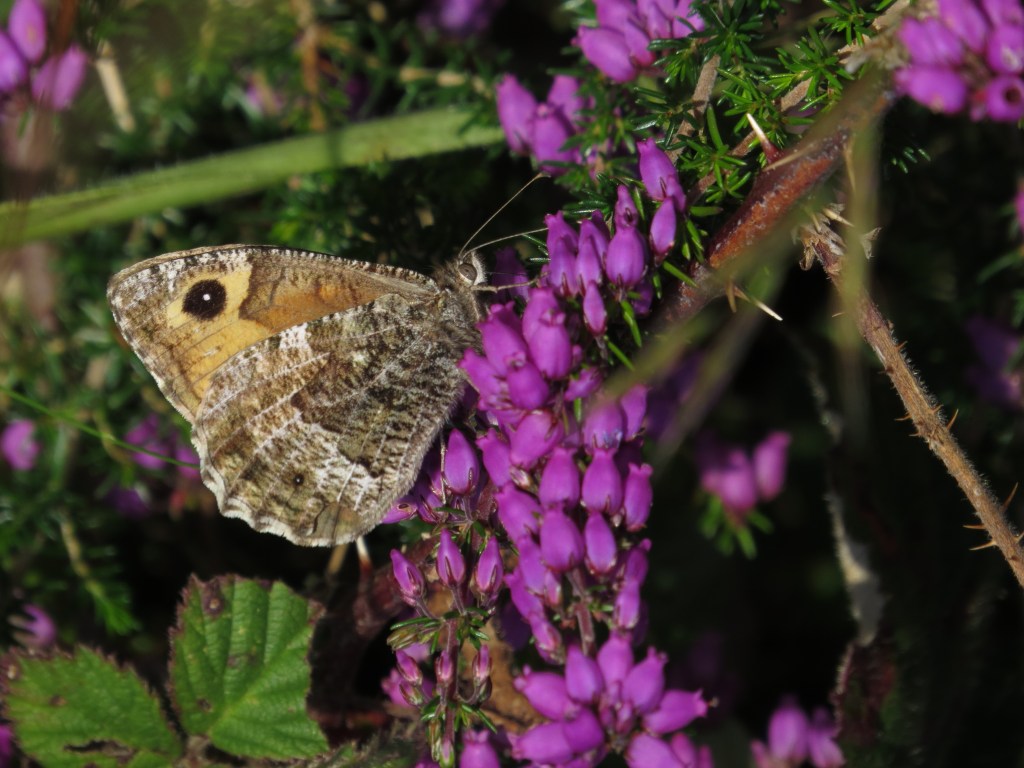
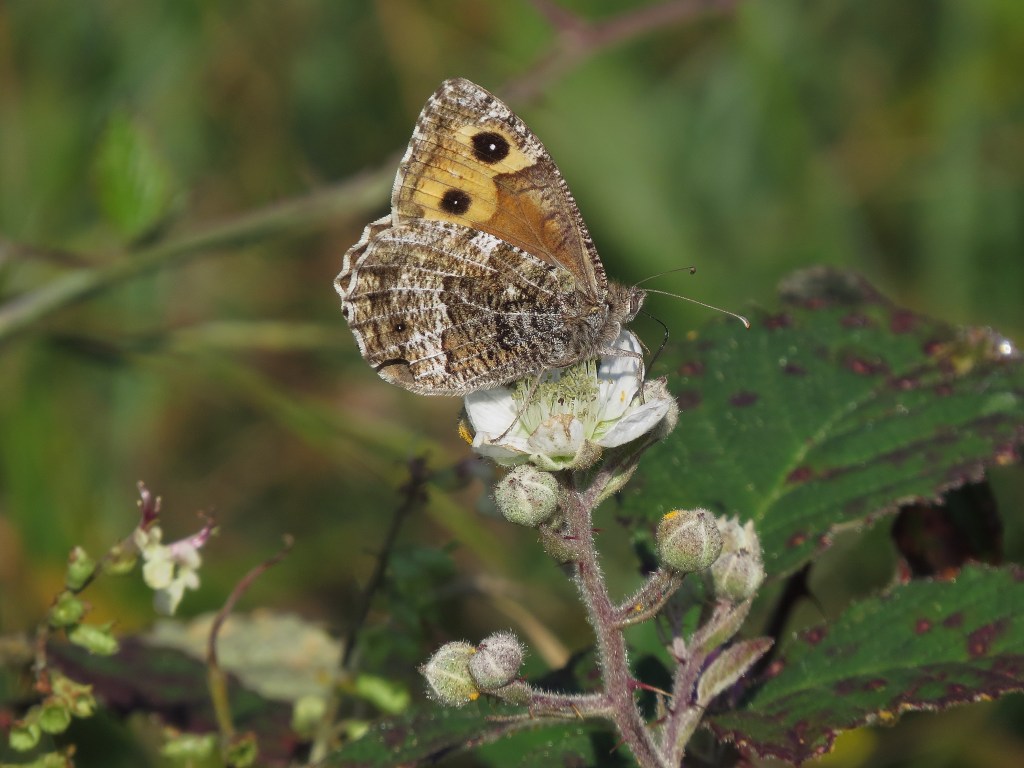
- National Status: In decline, fast becoming a coastal and southern heathland butterfly. Population trend 10 years +10%; since 1976 – 58%.
- West Midlands Status: Occurs largely in two areas: the Long Mynd/Stretton Hills/Stiperstones complex. Range contracting on the Malverns. Population trend 10 years – decreasing.
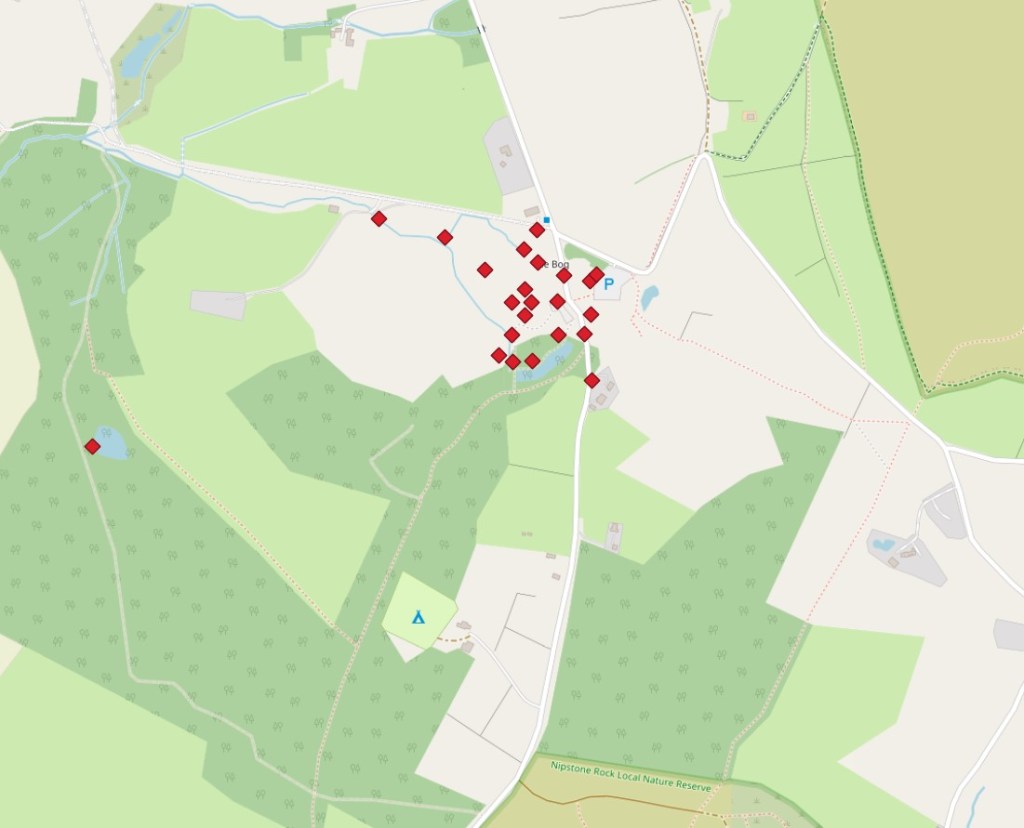
- Hotspots: The Bog and Stiperstones in Shropshire: The Bog,
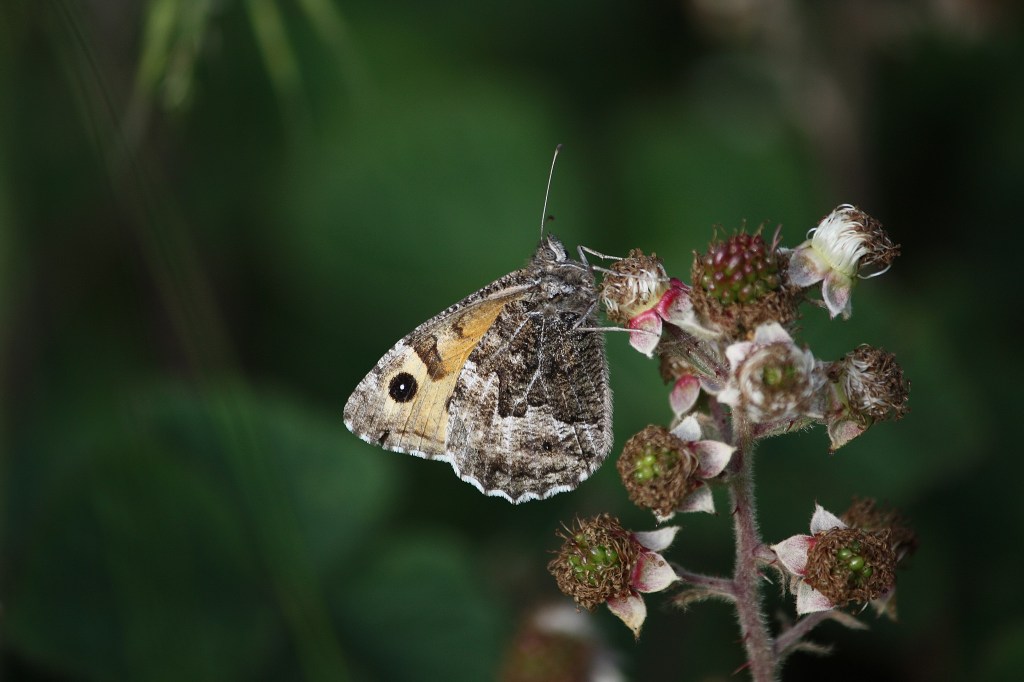
- Habitat: A butterfly of poor soil and arid conditions, bare ground and rocky outcrops with fine grasses such as Sheep’s Fescue (Festuca ovina) providing the essentials for breeding.
- Flight Period: One brood July-early September, peaking late July in an average season.
- Wingspan 55–60 mm, female larger 32 mm with wings closed.
Malvern Timed Counts 2018
Detailed Map on Google for 2018
Detailed Site Map on Google 2019
Detailed Site Map on Google 2020
Detailed Site Mapping on Google 2021
Detailed Site Mapping on Google 2022
Detailed Site Mapping on Google 2023
Detailed Site Mapping on Google 2024


Caterpillar Food Plant: The main foodplants are Bristle Bent (Agrostis curtisii), Early Hair-grass (Aira praecox), Red Fescue (Festuca rubra) and Sheep’s-fescue (Festuca ovina). Marram (Ammophila arenaria) and Tufted Hair-grass (Deschampsia cespitosa) are also used.
Life Cycle

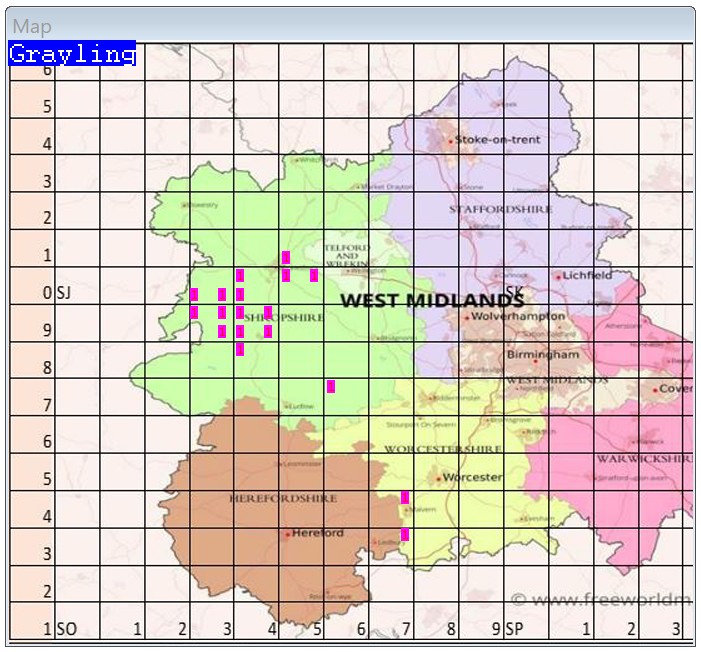
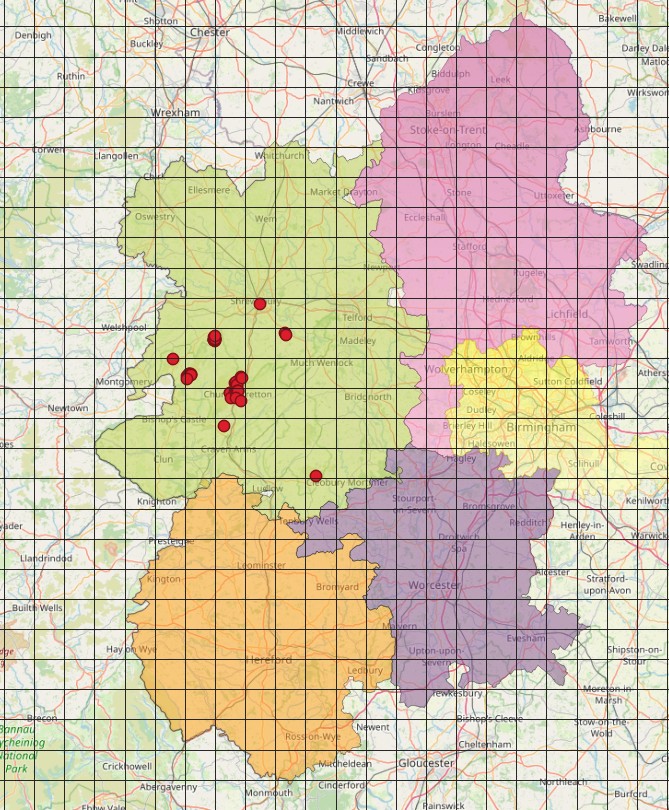
- The Charts show the distribution over the last 5 years
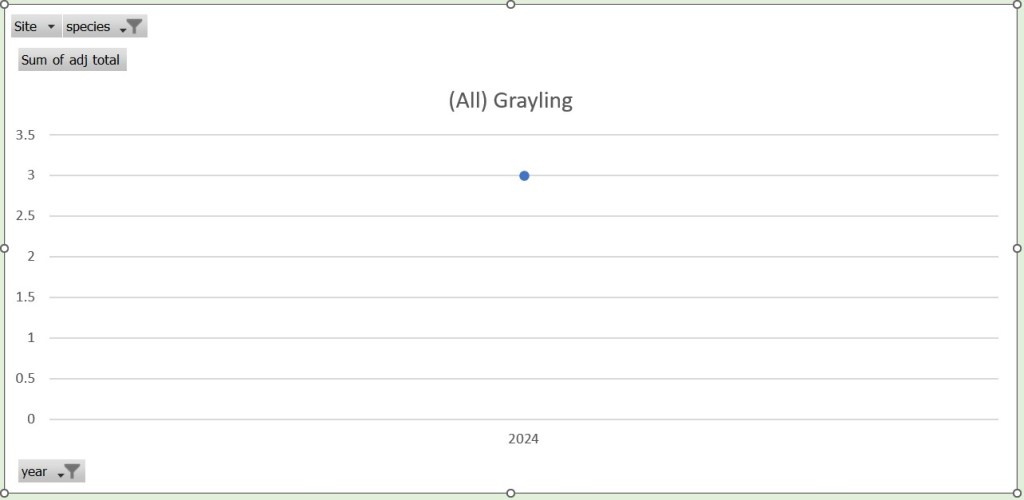
- The Population Trend from Transect Records shows a loss on the Malverns a Tansects is walk occasionally on the Bog at Stipperstones. Time counts were carried out on Shropshire in 2023 see above THE BOG
- Phenology from Casual Records
 West Midlands Butterflies Blog